Plastics and Engineering
Copper Coating Blanking System
Overview
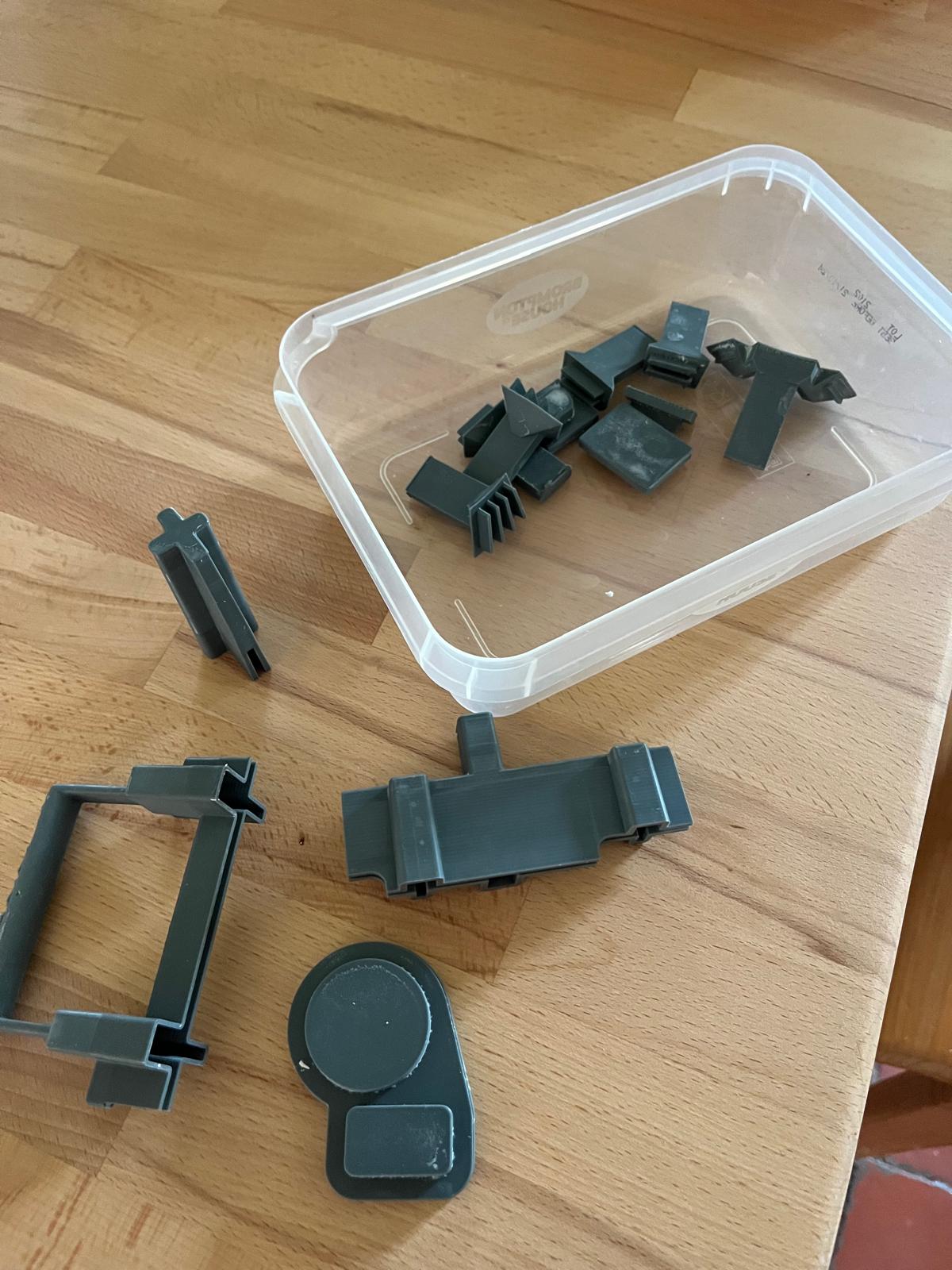
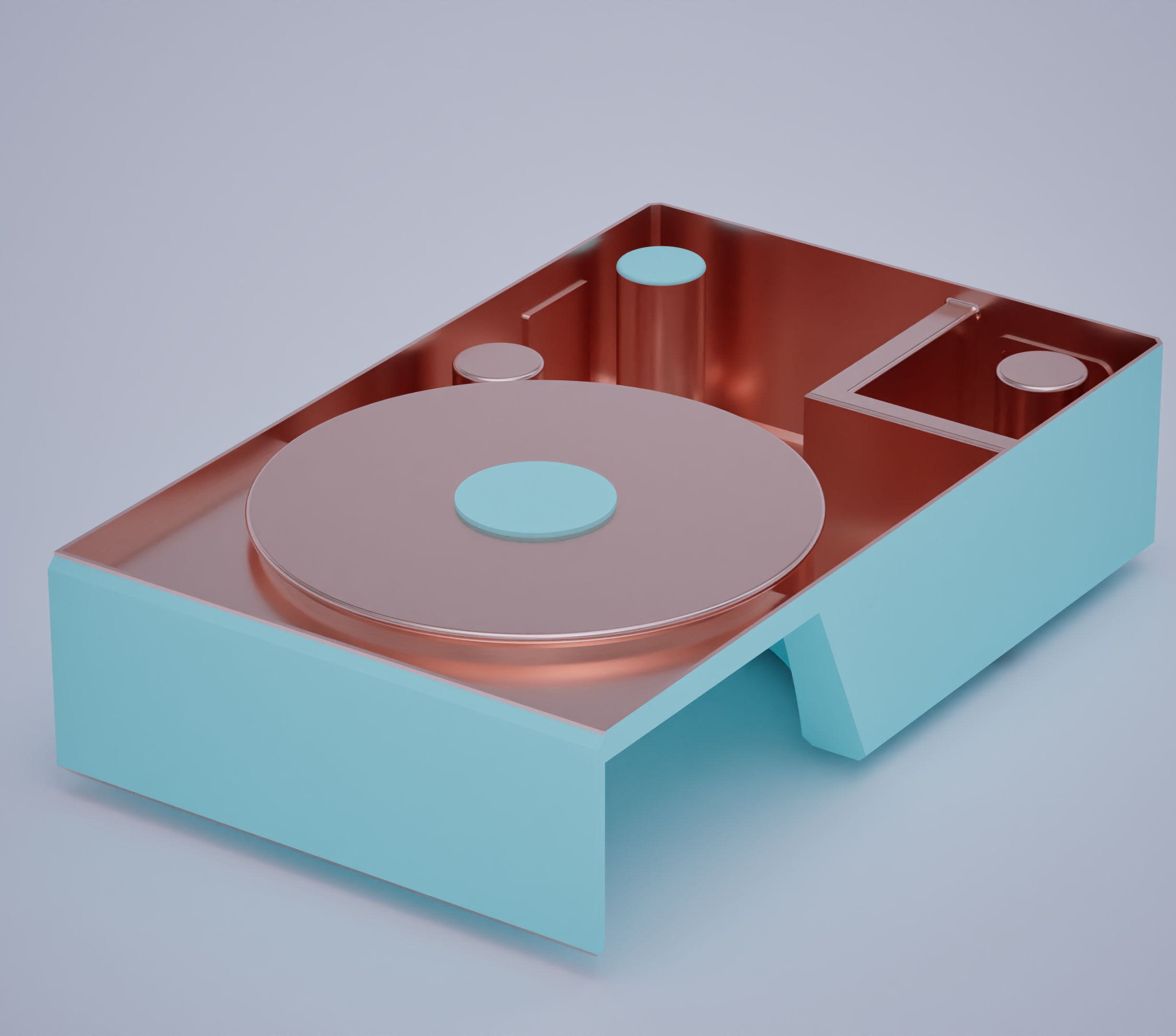
For this project, the client needed a better way to mask internal components during copper spraying of a medical device. Copper layers were used to prevent bacterial build-up, provide electromagnetic shielding, and reduce static accumulation. However, certain areas had to remain free of copper to avoid PCB shorts and unwanted static paths. The existing methods relied on metal moulds or manual taping, which were expensive, difficult to clean, time-consuming, and often inconsistent. The goal was to develop a simpler, more repeatable solution using 3D printed masking parts that could achieve complex shapes at lower cost.
Methodology
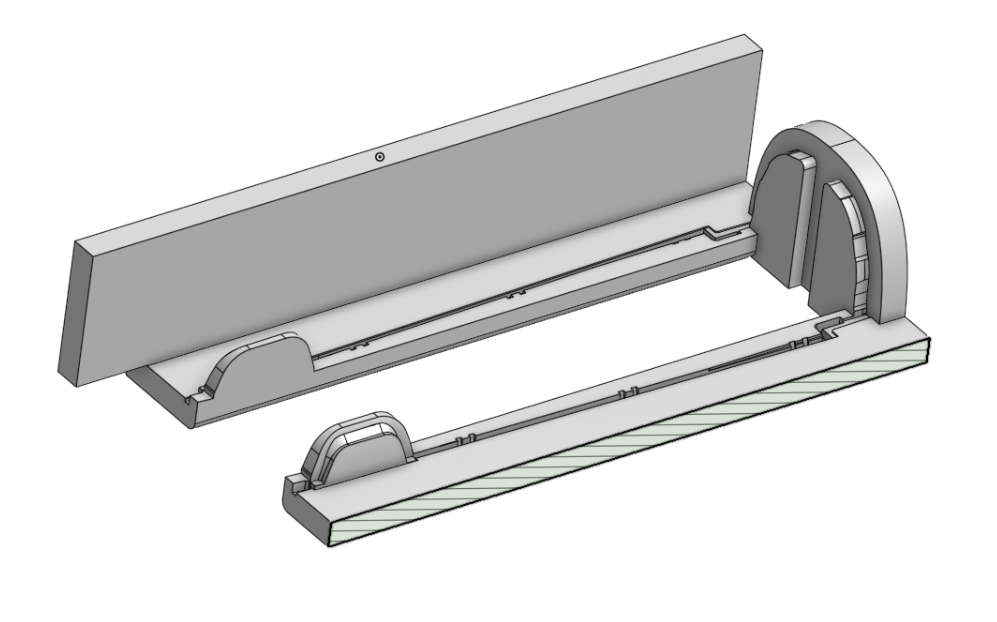
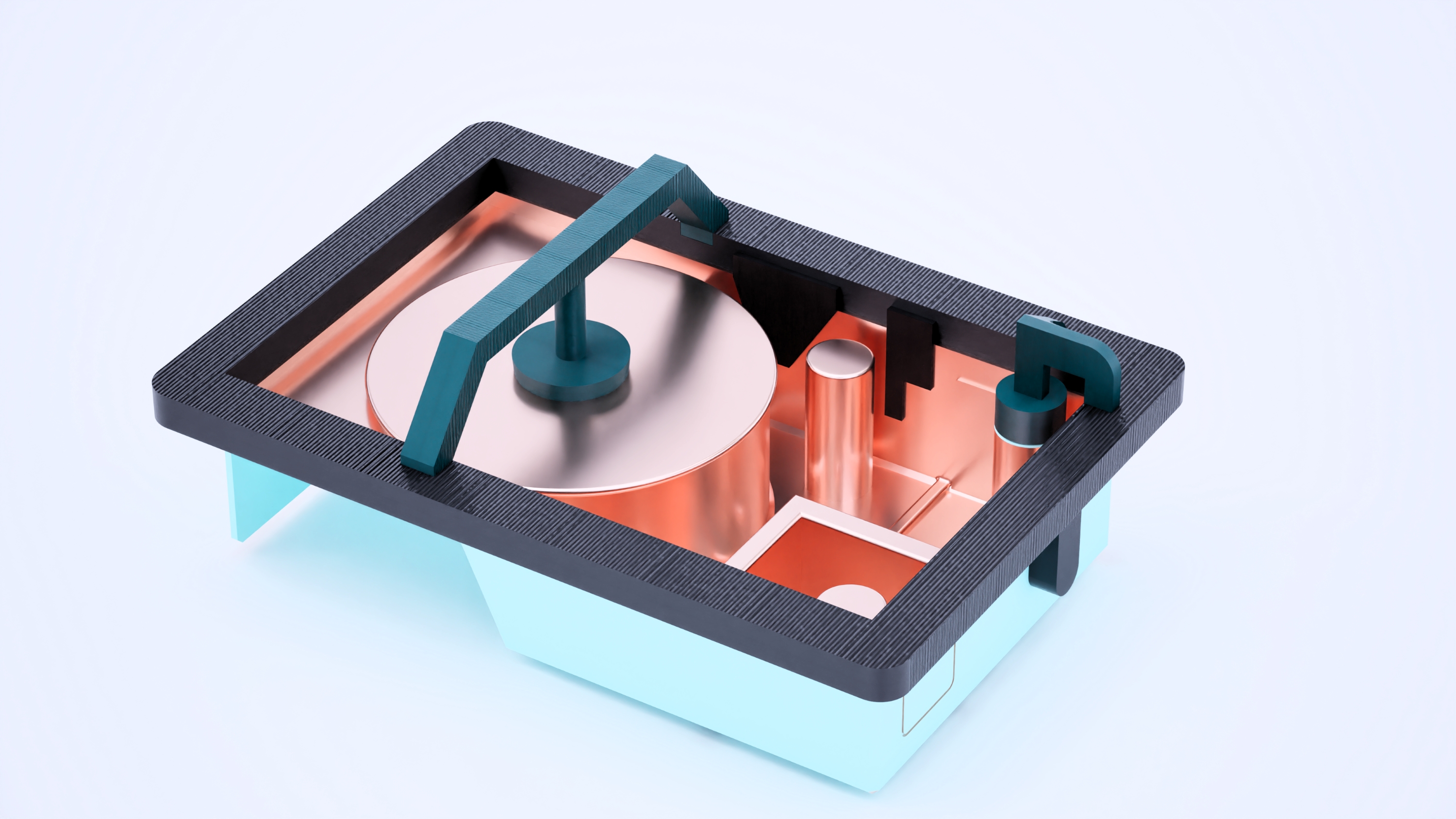
We analysed the copper coating requirements and defined the internal and external blanking zones needed to protect sensitive electronics. After assessing the limitations of metal moulds and manual taping, we developed 3D printed masking components designed for precise fit and complex geometry. The main challenge focused on achieving fine tolerances while ensuring the intricate masking pieces remained robust and user-friendly. The designs provided a precise fit while remaining strong enough to prevent accidental damage during application and removal.
Results Discussion
The 3D printed masking system replaced costly metal moulds and manual taping with a more consistent and flexible solution. The material allowed the masks to be removed cleanly after spraying and supported complex blanking shapes that machined covers could not achieve. If a mask was damaged during coating, a replacement could be printed quickly and at low cost. The project showed that additive manufacturing can improve consistency and reduce manual work in precision coating processes.
For this project, the client needed a better way to mask internal components during copper spraying of a medical device. Copper layers were used to prevent bacterial build-up, provide electromagnetic shielding, and reduce static accumulation. However, certain areas had to remain free of copper to avoid PCB shorts and unwanted static paths. The existing methods relied on metal moulds or manual taping, which were expensive, difficult to clean, time-consuming, and often inconsistent. The goal was to develop a simpler, more repeatable solution using 3D printed masking parts that could achieve complex shapes at lower cost.
Methodology
We analysed the copper coating requirements and defined the internal and external blanking zones needed to protect sensitive electronics. After assessing the limitations of metal moulds and manual taping, we developed 3D printed masking components designed for precise fit and complex geometry. The main challenge focused on achieving fine tolerances while ensuring the intricate masking pieces remained robust and user-friendly. The designs provided a precise fit while remaining strong enough to prevent accidental damage during application and removal.
Results Discussion
The 3D printed masking system replaced costly metal moulds and manual taping with a more consistent and flexible solution. The material allowed the masks to be removed cleanly after spraying and supported complex blanking shapes that machined covers could not achieve. If a mask was damaged during coating, a replacement could be printed quickly and at low cost. The project showed that additive manufacturing can improve consistency and reduce manual work in precision coating processes.
Copper coating requirement analysis (antimicrobial, EMI shielding, anti-static)
Internal and external blanking zone definition
Legacy mould and manual taping assessment
3D printed masking component development
Complex geometry masking design
Fine tolerance control
Precision fit optimisation
Durability and removal usability design
Internal and external blanking zone definition
Legacy mould and manual taping assessment
3D printed masking component development
Complex geometry masking design
Fine tolerance control
Precision fit optimisation
Durability and removal usability design
"By replacing metal moulds and manual taping with precision 3D printed masking, we delivered a more consistent and cost-effective solution for copper-coated medical device internals."