prototyping & Electronics
Development of Home Appliance for Berry–Ice Cream Mixing
Overview
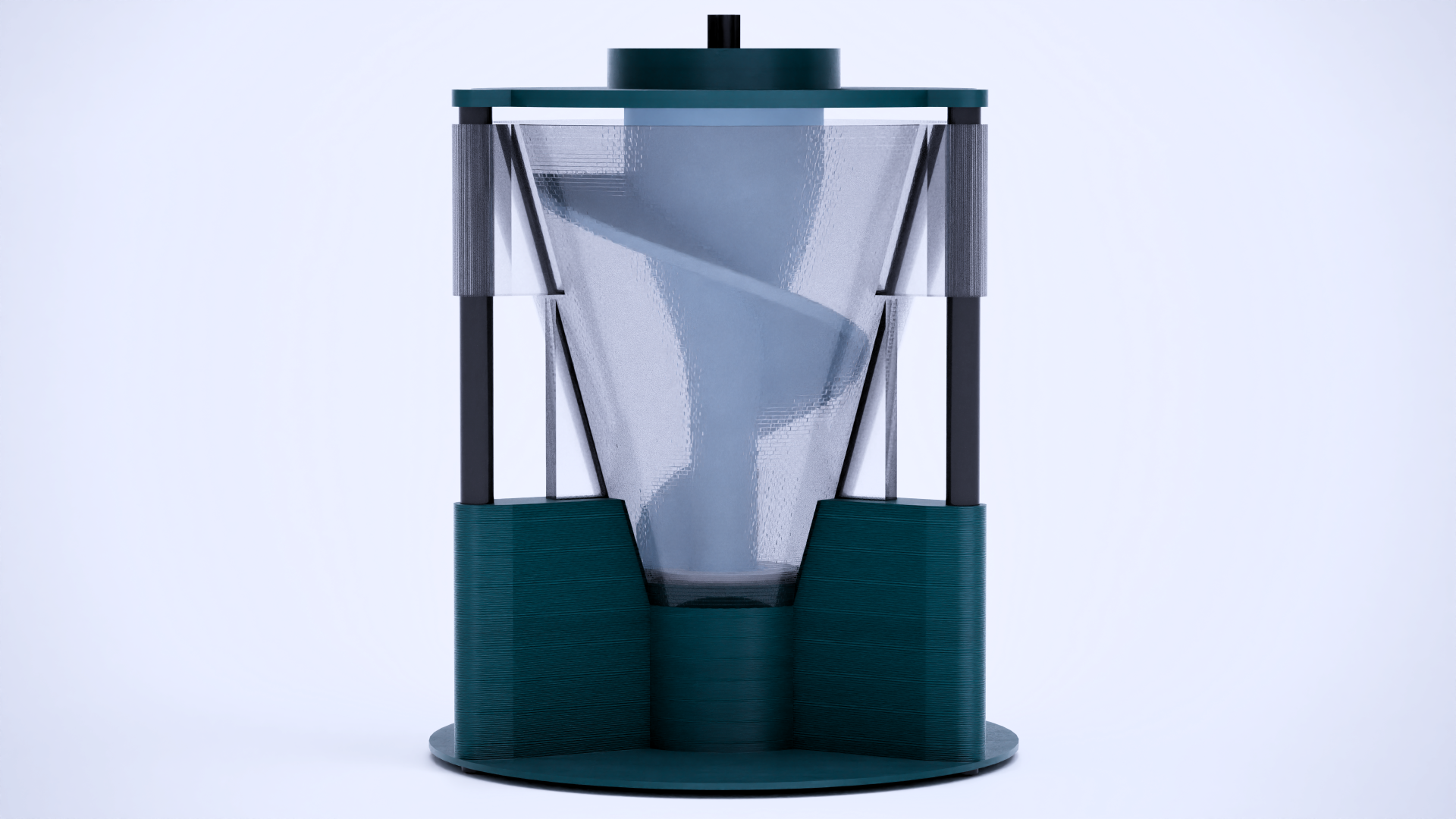
This project focused on converting commercial ice cream blending technology into a viable home appliance. The client aimed to mix ice cream and berries into fresh coulis-style desserts using an auger-driven extrusion system. By replacing ice with ice cream, we simplified the fluid dynamics and reduced extreme load cases seen in industrial machines. The main challenge centred on whether compact, cost-effective motors could deliver enough torque within an injection-moulded housing. We developed and tested a functional prototype to validate performance before committing to production tooling.
Methodology
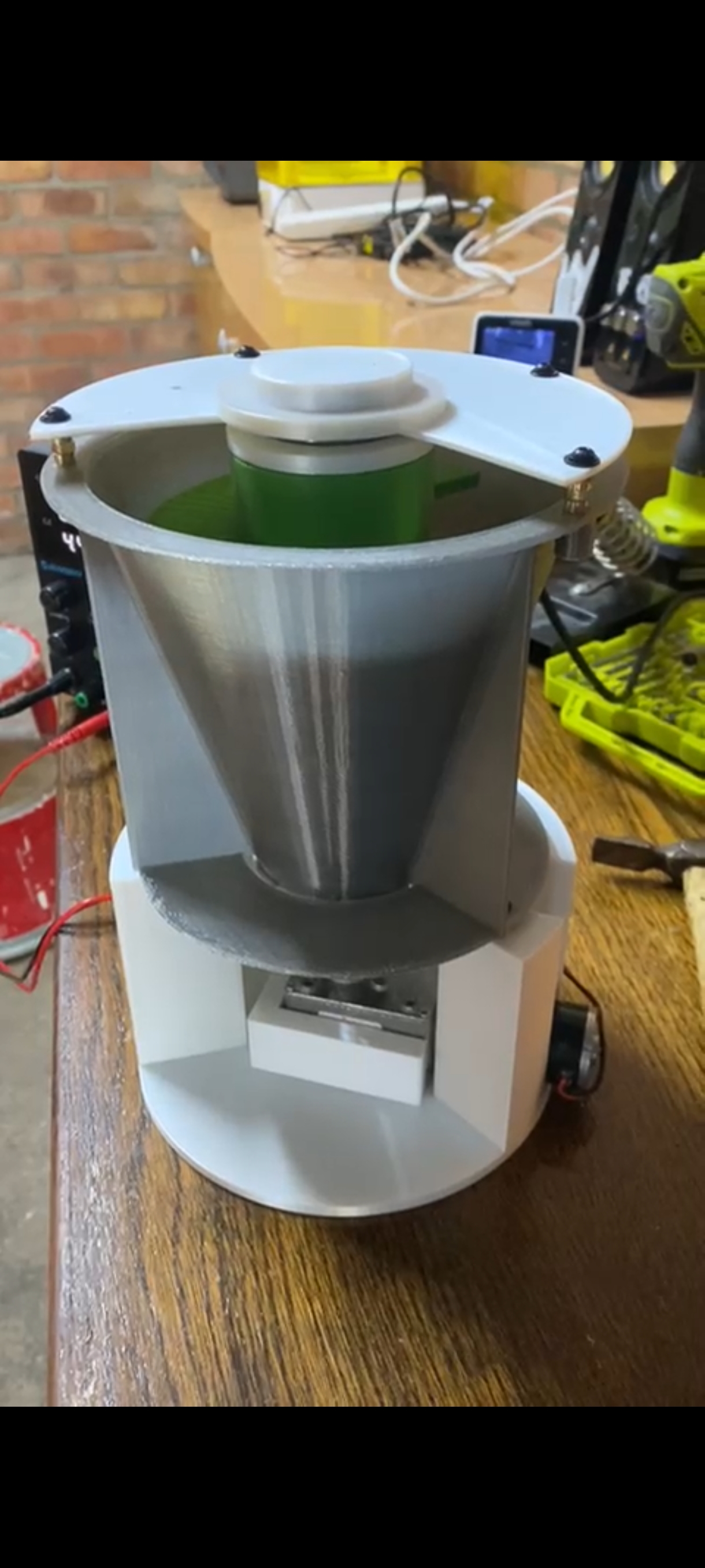
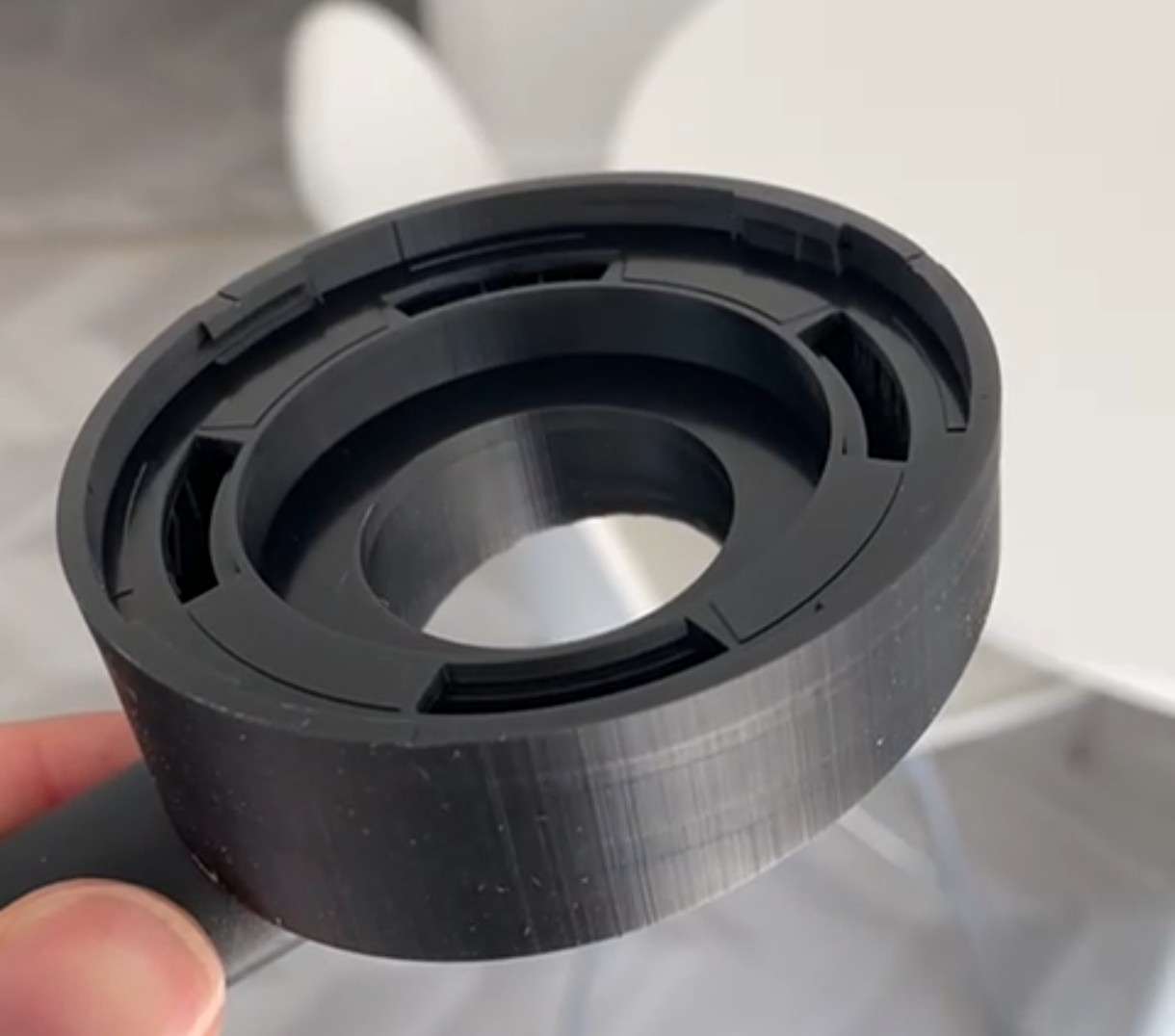
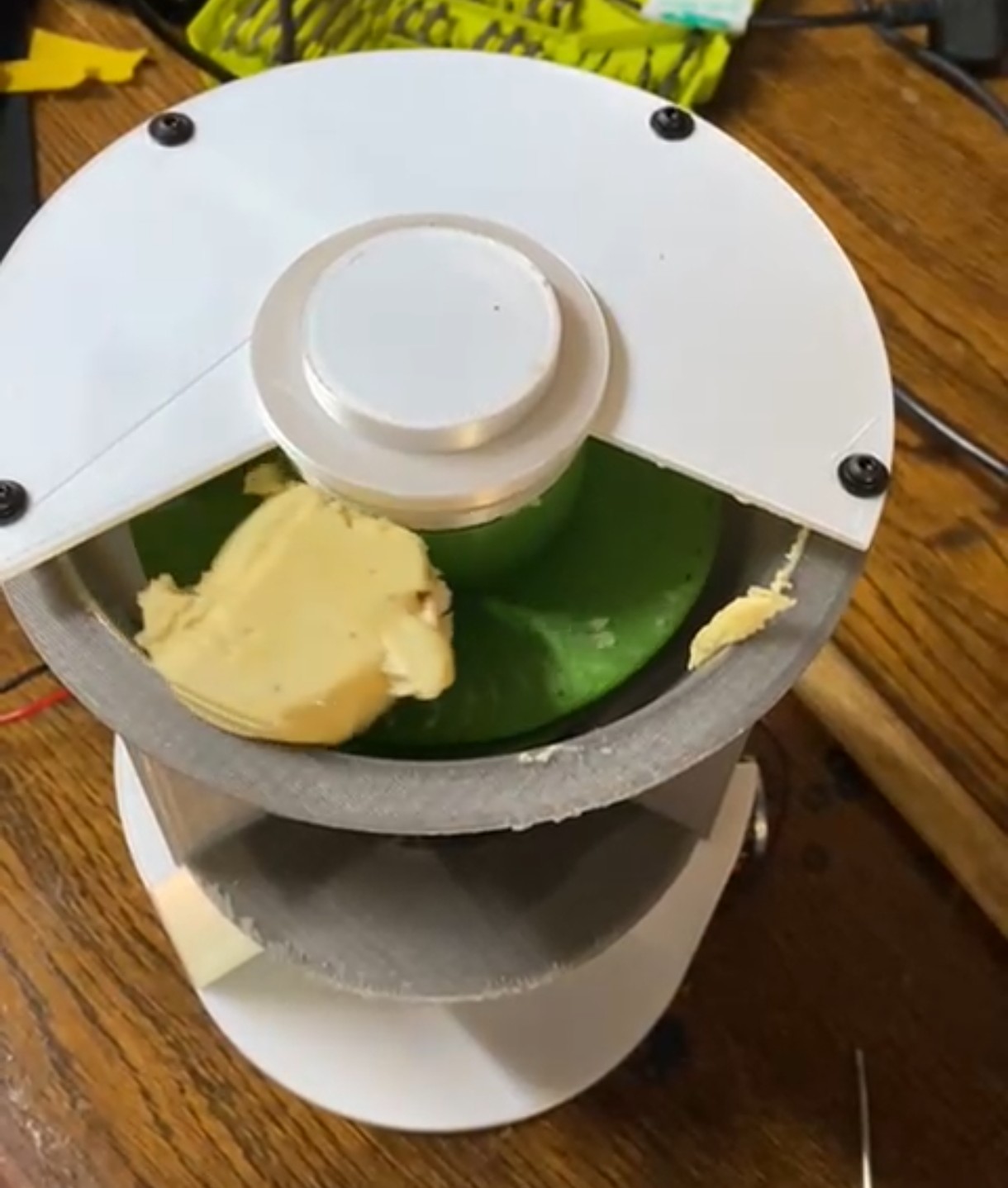
We began with a space claim study to determine realistic motor dimensions and torque capacity within domestic constraints. A cost-performance review filtered viable motor options. We then designed a parametric auger system that allowed rapid adjustment of pitch, diameter, and gradient to test extrusion efficiency. A robust 3D printed test rig housed the motor and auger, using carbon fibre–reinforced polycarbonate for structural strength and impact resistance. Live trials with varying ingredient viscosities validated mixing behaviour, extrusion pressure, and structural durability before further refinement.
Results Discussion
The engineering achieved a functional prototype demonstrating that industrial dessert‑making methods could be adapted for home use. The test rig validated auger geometries and motor feasibility, proving that robust performance was possible with cost‑effective components.
This project focused on converting commercial ice cream blending technology into a viable home appliance. The client aimed to mix ice cream and berries into fresh coulis-style desserts using an auger-driven extrusion system. By replacing ice with ice cream, we simplified the fluid dynamics and reduced extreme load cases seen in industrial machines. The main challenge centred on whether compact, cost-effective motors could deliver enough torque within an injection-moulded housing. We developed and tested a functional prototype to validate performance before committing to production tooling.
Methodology
We began with a space claim study to determine realistic motor dimensions and torque capacity within domestic constraints. A cost-performance review filtered viable motor options. We then designed a parametric auger system that allowed rapid adjustment of pitch, diameter, and gradient to test extrusion efficiency. A robust 3D printed test rig housed the motor and auger, using carbon fibre–reinforced polycarbonate for structural strength and impact resistance. Live trials with varying ingredient viscosities validated mixing behaviour, extrusion pressure, and structural durability before further refinement.
Results Discussion
The engineering achieved a functional prototype demonstrating that industrial dessert‑making methods could be adapted for home use. The test rig validated auger geometries and motor feasibility, proving that robust performance was possible with cost‑effective components.
Concept translation from industrial equipment to home appliance
Auger mechanism design and parametric modelling
Space claim and motor sizing study
Cost–performance feasibility assessment
Test rig design and fabrication
High-strength 3D printed structural housing development
Functional prototyping and performance validation
Auger mechanism design and parametric modelling
Space claim and motor sizing study
Cost–performance feasibility assessment
Test rig design and fabrication
High-strength 3D printed structural housing development
Functional prototyping and performance validation
"Industrial precision reimagined for the home dessert experience."