Fluid Dynamics
Fibre UVC Reactor
Overview
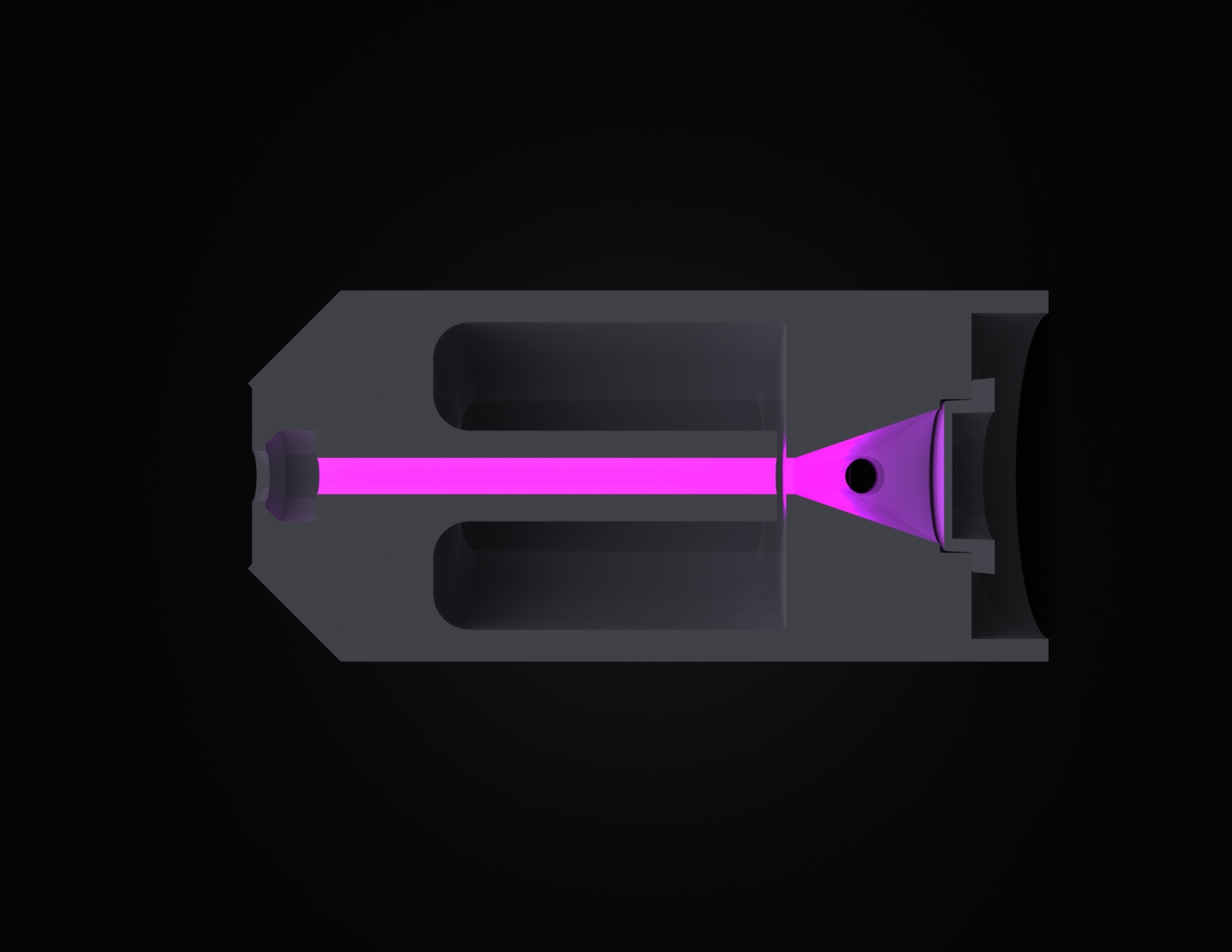
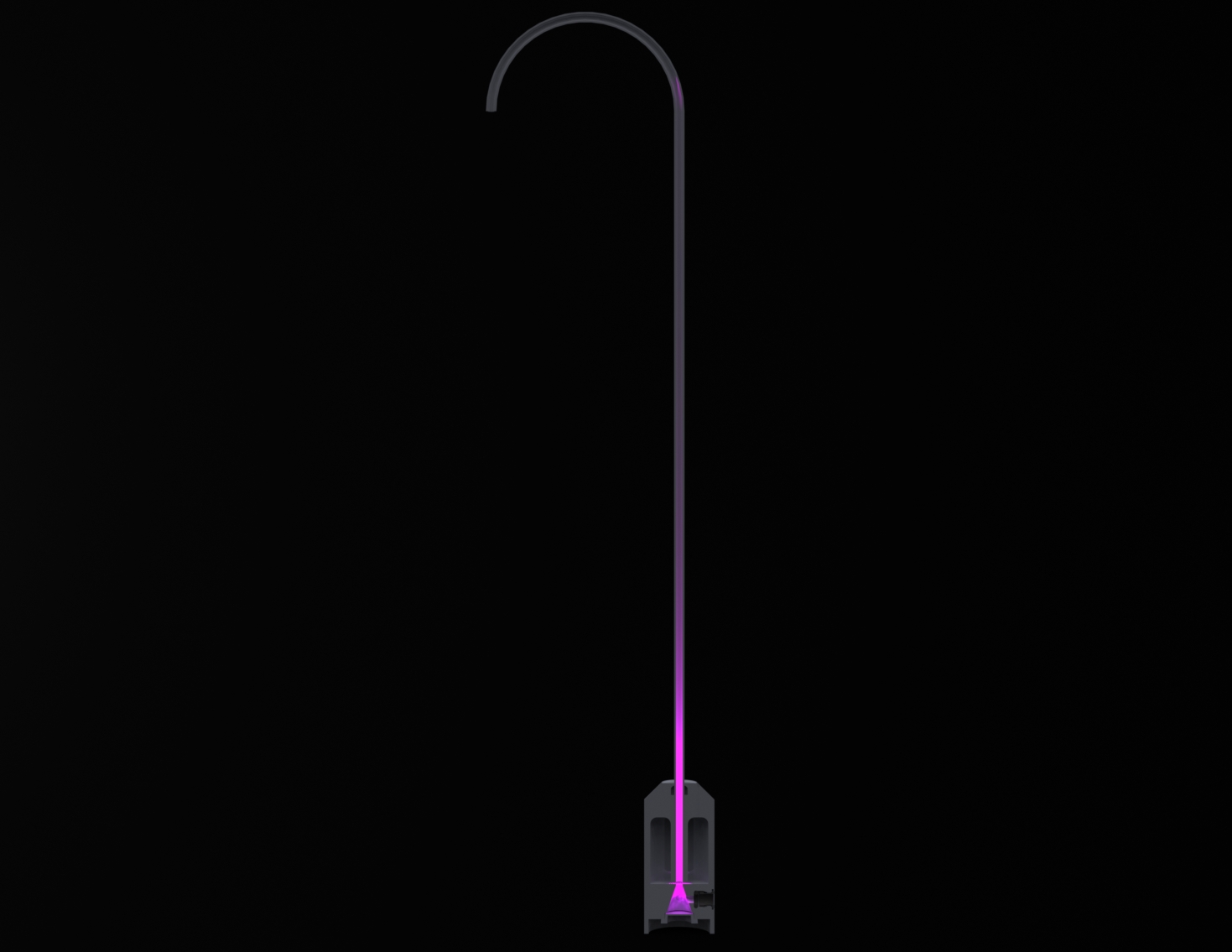
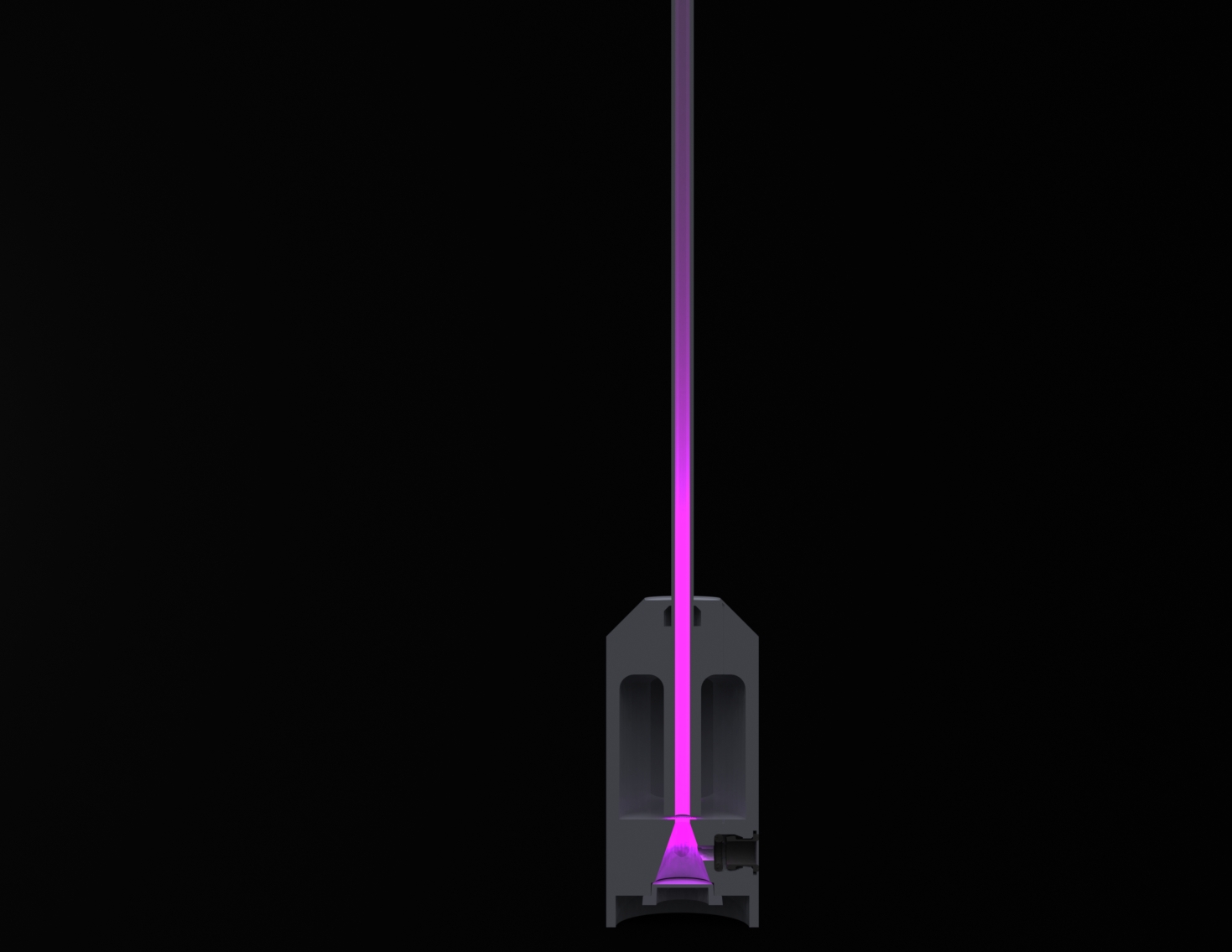
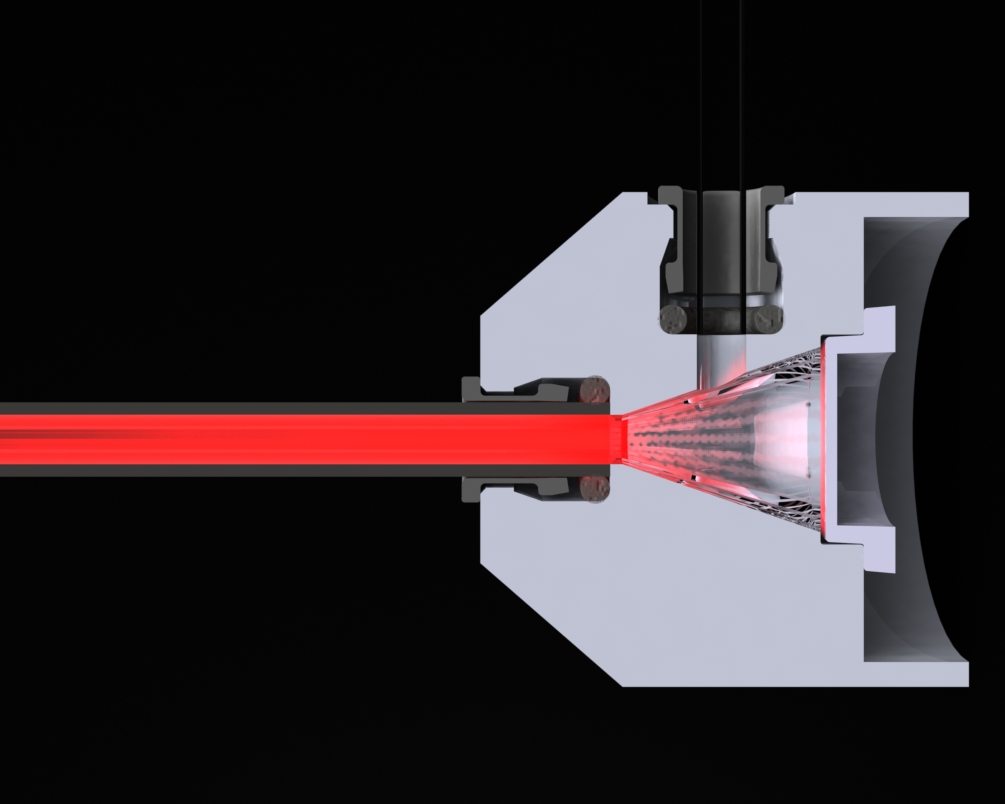
We were tasked with evaluating UVC LED technology to determine its suitability for an in-house reactor for drinking units. Knowing LEDs were smaller, easier to recycle, and more environmentally friendly compared to mercury bulbs, which are difficult to recycle. After completing a literature review and market analysis, we built reactor prototypes and conducted a cost comparison between custom solutions and off-the-shelf reactors. While custom reactors were more expensive, we developed two innovative concepts that offered practical advantages: our design used the delivery tube itself as a chamber, reducing material needs. We also introduced a draw-back chamber that leveraged the venturi effect to improve water flow and disinfection efficiency.
Methodology
Our process began with extensive research into UVC LED technology, exploring market trends, future prospects, and environmental impacts. We assessed the challenges of existing disinfection methods, especially those involving large water chambers. Through multiple concept developments, we proposed using the delivery tube as a chamber made from reflective material to prevent stagnant water. Furthermore, we explored the venturi effect for re-treating liquid in a sparkling draw-back chamber. Our team built detailed prototypes and conducted a cost-benefit analysis to compare our approach to off-the-shelf solutions.
Results Discussion
This innovative design offered distinct advantages over off-the-shelf reactors: Although off-the-shelf reactors were more cost-effective due to economies of scale, our innovative designs offered distinct advantages. Our tube-based chamber concept eliminated the need for large water reservoirs, improving water quality and system integration. Additionally, the venturi-based sparkling draw-back chamber enhanced disinfection efficiency. While the initial prototypes were successful, the project was ultimately shelved as the company decided to allocate resources elsewhere. However, the solutions developed during this project provided valuable insights for future advancements in UVC disinfection technology.
We were tasked with evaluating UVC LED technology to determine its suitability for an in-house reactor for drinking units. Knowing LEDs were smaller, easier to recycle, and more environmentally friendly compared to mercury bulbs, which are difficult to recycle. After completing a literature review and market analysis, we built reactor prototypes and conducted a cost comparison between custom solutions and off-the-shelf reactors. While custom reactors were more expensive, we developed two innovative concepts that offered practical advantages: our design used the delivery tube itself as a chamber, reducing material needs. We also introduced a draw-back chamber that leveraged the venturi effect to improve water flow and disinfection efficiency.
Methodology
Our process began with extensive research into UVC LED technology, exploring market trends, future prospects, and environmental impacts. We assessed the challenges of existing disinfection methods, especially those involving large water chambers. Through multiple concept developments, we proposed using the delivery tube as a chamber made from reflective material to prevent stagnant water. Furthermore, we explored the venturi effect for re-treating liquid in a sparkling draw-back chamber. Our team built detailed prototypes and conducted a cost-benefit analysis to compare our approach to off-the-shelf solutions.
Results Discussion
This innovative design offered distinct advantages over off-the-shelf reactors: Although off-the-shelf reactors were more cost-effective due to economies of scale, our innovative designs offered distinct advantages. Our tube-based chamber concept eliminated the need for large water reservoirs, improving water quality and system integration. Additionally, the venturi-based sparkling draw-back chamber enhanced disinfection efficiency. While the initial prototypes were successful, the project was ultimately shelved as the company decided to allocate resources elsewhere. However, the solutions developed during this project provided valuable insights for future advancements in UVC disinfection technology.
Extensive Research
Photonics
Concept Development
Turned Parts Engineering
Technical Document Writing
Electronics
Fluid Dynamics
Thermodynamics
Water Sciences
Rendering and Visual Prototyping
Healthcare Technology
Photonics
Concept Development
Turned Parts Engineering
Technical Document Writing
Electronics
Fluid Dynamics
Thermodynamics
Water Sciences
Rendering and Visual Prototyping
Healthcare Technology
"Our innovative UVC reactor design fused LED technology with modern disinfection challenges, setting a foundation for future breakthroughs."