Medical, Packaging
Flat-Pack Hazardous Waste Cartons
Overview
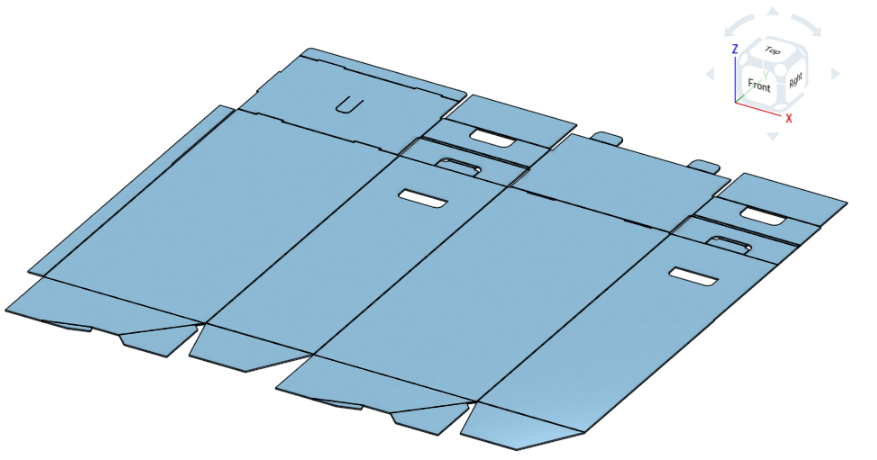
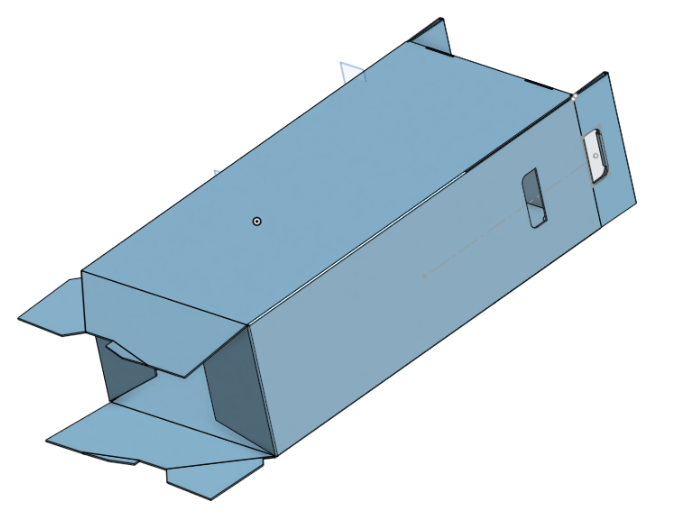
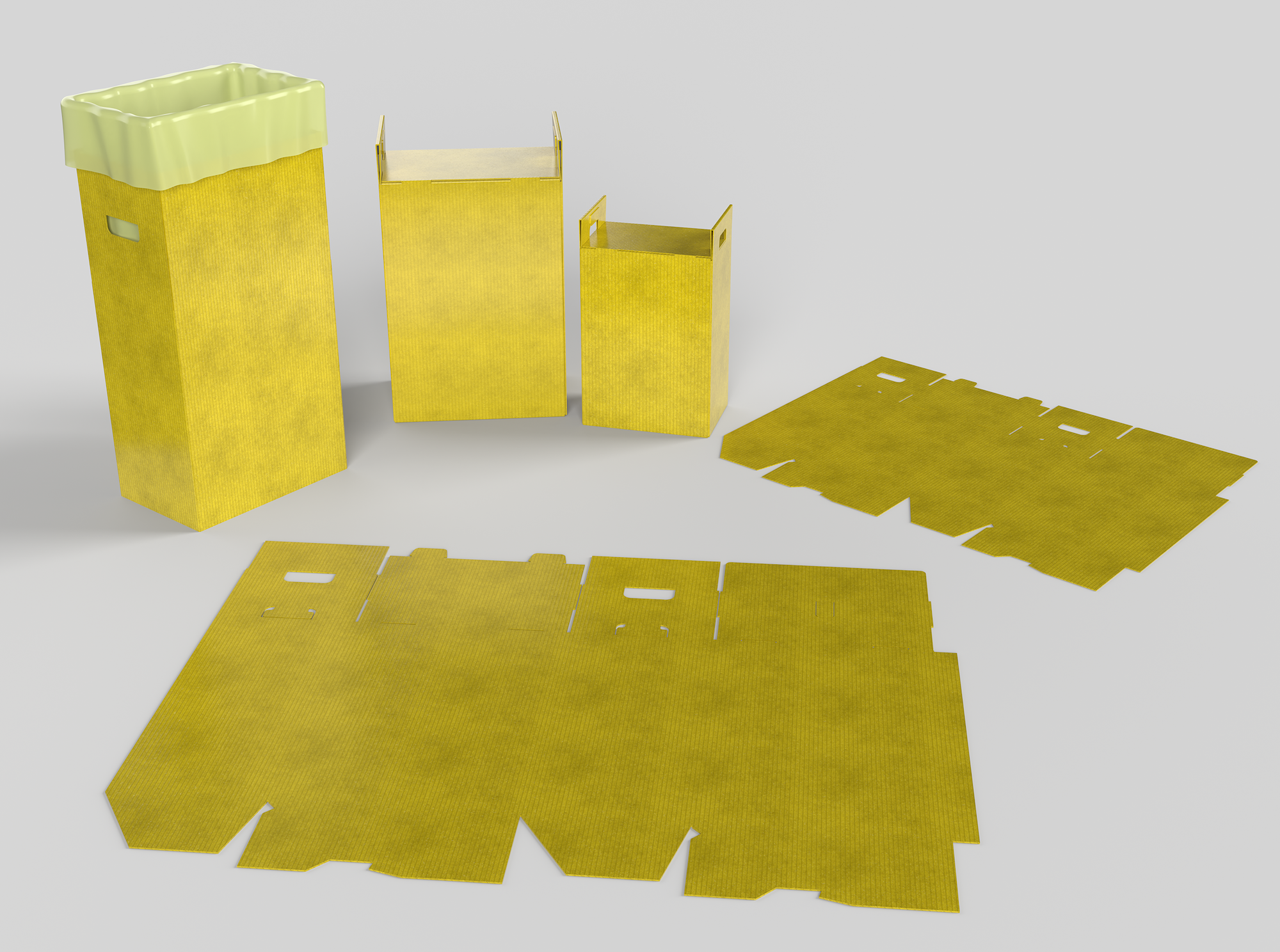
Medical waste disposal presents serious hygiene and safety risks, particularly when bins collapse, deform, or are mishandled. We were tasked with redesigning traditional waste bins into flat-pack disposable cartons to improve containment and handling. The stackable format we developed allowed efficient pallet storage and transport while maintaining the rigidity required to safely contain biohazard loads. The final design combined structural strength with practical handling to reduce risk in demanding disposal environments.
Methodology
We began by reviewing the risks associated with medical waste handling, including structural failure and contamination. We analysed load requirements to prevent collapse under case load from hazardous waste. From there, we developed a flat-pack structure that could be stacked on pallets while maintaining rigidity. We refined the design to ensure robust performance and reliable containment in demanding disposal environments.
Results Discussion
The new flat-pack hazardous waste cartons provided a safer and more efficient alternative to traditional bins. The structure resisted collapse under load, reducing the risk of biohazard exposure. The flat-pack format improved storage and pallet transport efficiency without compromising strength. The project demonstrated that strong structural design plays a critical role in safe medical waste containment.
Medical waste disposal presents serious hygiene and safety risks, particularly when bins collapse, deform, or are mishandled. We were tasked with redesigning traditional waste bins into flat-pack disposable cartons to improve containment and handling. The stackable format we developed allowed efficient pallet storage and transport while maintaining the rigidity required to safely contain biohazard loads. The final design combined structural strength with practical handling to reduce risk in demanding disposal environments.
Methodology
We began by reviewing the risks associated with medical waste handling, including structural failure and contamination. We analysed load requirements to prevent collapse under case load from hazardous waste. From there, we developed a flat-pack structure that could be stacked on pallets while maintaining rigidity. We refined the design to ensure robust performance and reliable containment in demanding disposal environments.
Results Discussion
The new flat-pack hazardous waste cartons provided a safer and more efficient alternative to traditional bins. The structure resisted collapse under load, reducing the risk of biohazard exposure. The flat-pack format improved storage and pallet transport efficiency without compromising strength. The project demonstrated that strong structural design plays a critical role in safe medical waste containment.
Medical waste risk analysis
Structural load assessment
Flat-pack carton design
Pallet stacking optimisation
Rigidity and deformation control
Biohazard load containment design
Robustness-focused structural development
Structural load assessment
Flat-pack carton design
Pallet stacking optimisation
Rigidity and deformation control
Biohazard load containment design
Robustness-focused structural development
"Our redesign of traditional medical waste bins made it possible to combine rigid biohazard containment with flat-pack efficiency."