Food and drink, Sheet metal
Gong Fu Ceremonial Tea Tray
Overview
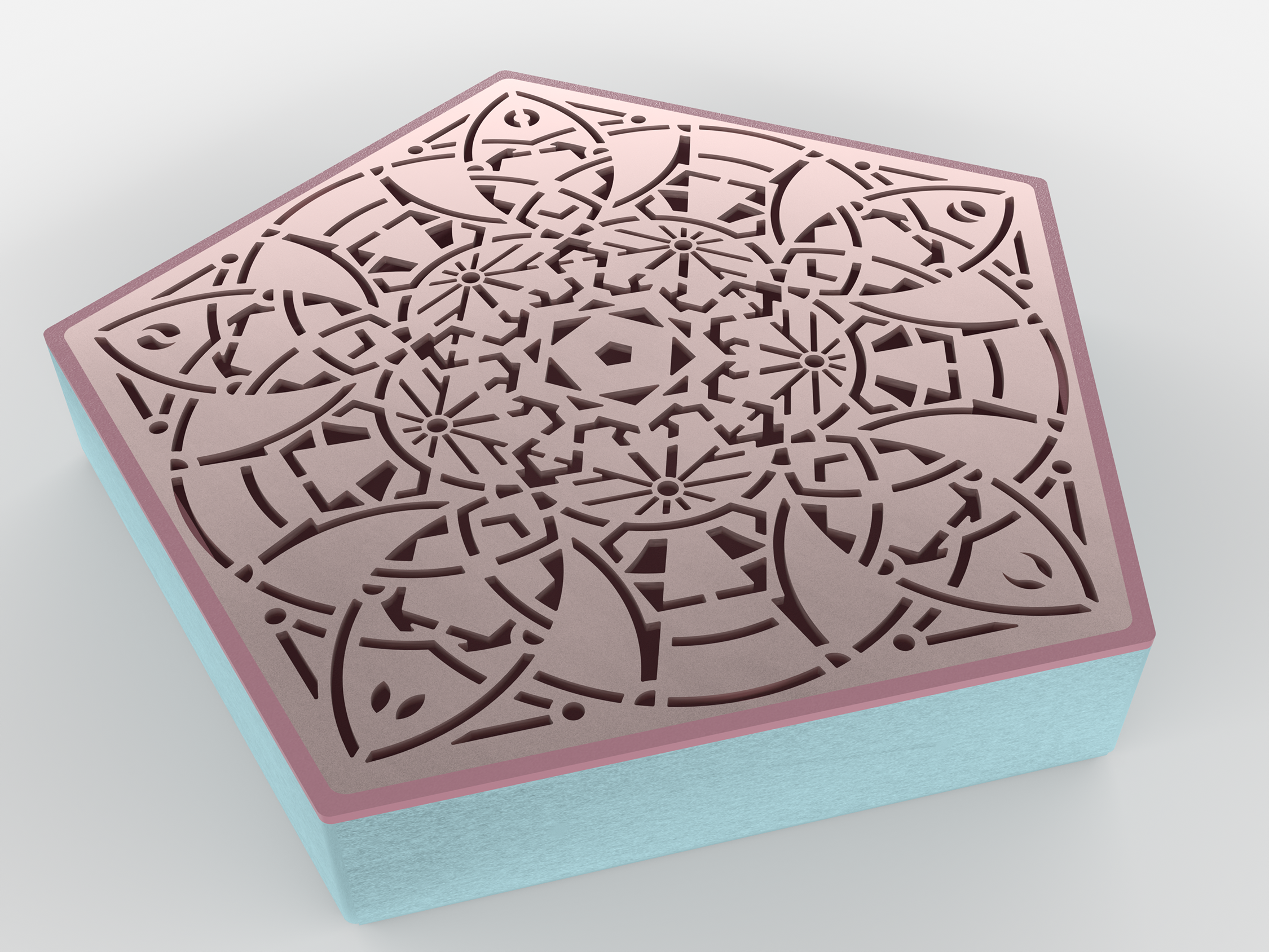
Our client approached us to develop a novel Gong Fu ceremonial tea tray that combined precision craftsmanship with modern engineering. This tea ceremony tray is an essential accessory for tea enthusiasts, enhancing the brewing experience while maintaining cleanliness and elegance during the ceremony. The client wanted an intricate surface pattern that reflected the artistry of the ritual while also remaining practical and durable. Instead of casting, we proposed using advanced fibre laser cutting, allowing us to capture every intricate detail with precision and consistency. The final design combined elegance and practicality in a modular, finely crafted tray that elevated the entire tea ceremony experience.
Methodology
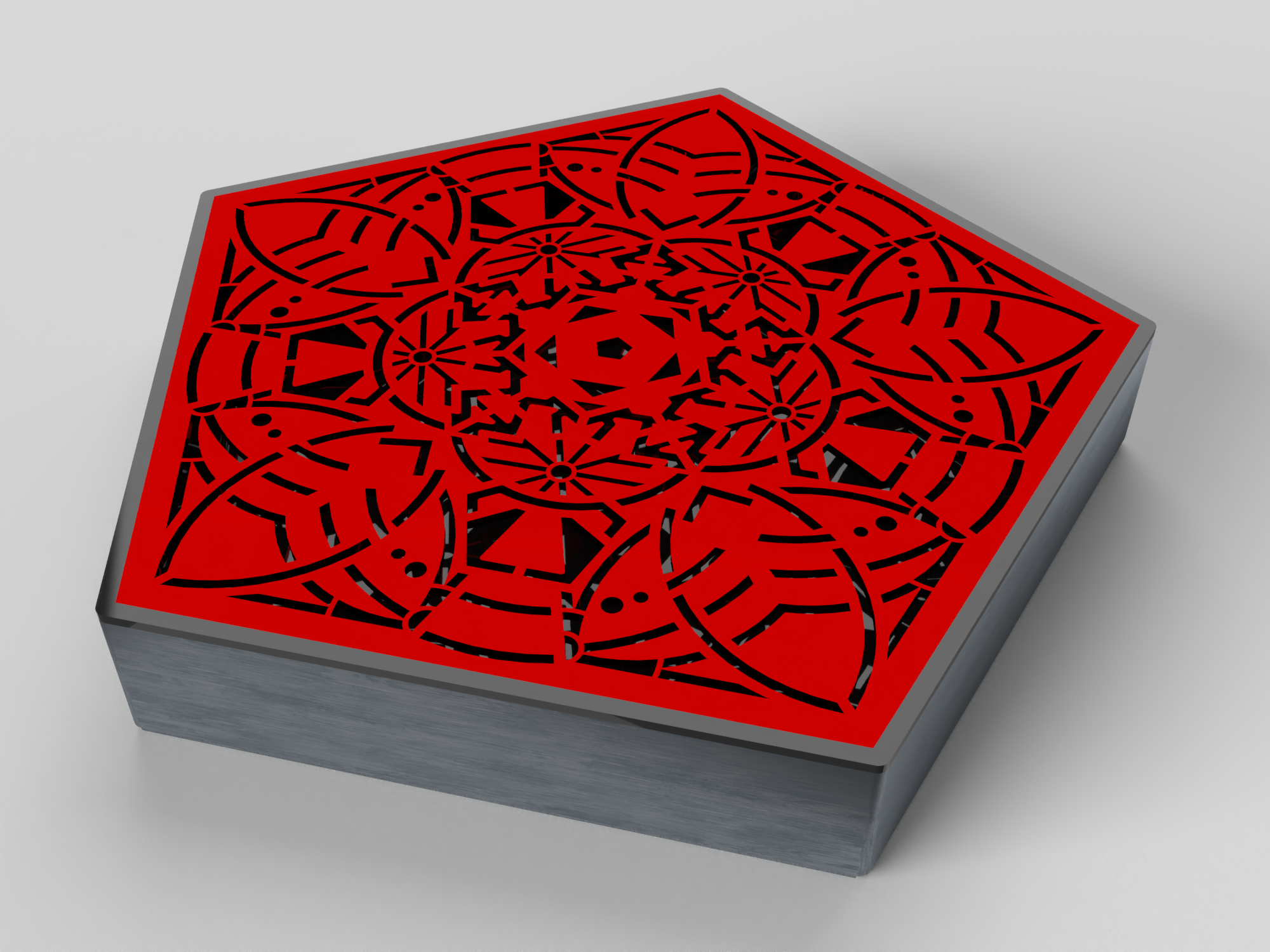
We began by exploring the best ways to achieve the fine surface detail the client envisioned. After testing several manufacturing methods, fibre laser cutting proved to be the most effective. Aluminium was chosen for the tray to allow hard anodising, improving both wear resistance and visual finish. Our team engineered a modular system that magnetically connected multiple trays, giving users the option to expand their setup or secure accessories such as counting beads, spoons, and tokens. We made the catchment base using a two-part silicone pressing, which kept costs low and opened opportunities for overmoulding. During development, we realised the base could also guide light, creating a soft glow for the ceremony. We used 3D-printed clear resin prototypes to refine the structure and add the electronics, making sure the lighting worked effectively.
Results Discussion
The project delivered a unique Gong Fu tea tray that combined intricate design with practical functionality. The modular, magnetically assembled tray allowed for flexible use and securely held accessories. The aluminium top and hard-anodised finish ensured durability, while the silicone base with integrated light added a subtle, ambient glow. By blending tradition with innovative engineering, we were able to create a product that enhanced the ceremonial experience and demonstrated how modern techniques can elevate ritual practices.
Our client approached us to develop a novel Gong Fu ceremonial tea tray that combined precision craftsmanship with modern engineering. This tea ceremony tray is an essential accessory for tea enthusiasts, enhancing the brewing experience while maintaining cleanliness and elegance during the ceremony. The client wanted an intricate surface pattern that reflected the artistry of the ritual while also remaining practical and durable. Instead of casting, we proposed using advanced fibre laser cutting, allowing us to capture every intricate detail with precision and consistency. The final design combined elegance and practicality in a modular, finely crafted tray that elevated the entire tea ceremony experience.
Methodology
We began by exploring the best ways to achieve the fine surface detail the client envisioned. After testing several manufacturing methods, fibre laser cutting proved to be the most effective. Aluminium was chosen for the tray to allow hard anodising, improving both wear resistance and visual finish. Our team engineered a modular system that magnetically connected multiple trays, giving users the option to expand their setup or secure accessories such as counting beads, spoons, and tokens. We made the catchment base using a two-part silicone pressing, which kept costs low and opened opportunities for overmoulding. During development, we realised the base could also guide light, creating a soft glow for the ceremony. We used 3D-printed clear resin prototypes to refine the structure and add the electronics, making sure the lighting worked effectively.
Results Discussion
The project delivered a unique Gong Fu tea tray that combined intricate design with practical functionality. The modular, magnetically assembled tray allowed for flexible use and securely held accessories. The aluminium top and hard-anodised finish ensured durability, while the silicone base with integrated light added a subtle, ambient glow. By blending tradition with innovative engineering, we were able to create a product that enhanced the ceremonial experience and demonstrated how modern techniques can elevate ritual practices.
Fibre laser cutting design
Pattern engineering
Material selection and anodising
Modular magnetic assembly
Silicone moulding and overmoulding
Electronics integration and light guide design
3D printing for prototype optimisation
Pattern engineering
Material selection and anodising
Modular magnetic assembly
Silicone moulding and overmoulding
Electronics integration and light guide design
3D printing for prototype optimisation
"Blending artistry, innovative engineering, and tradition, we created a tea tray that transforms the ceremonial experience."
.png)
.png)