Sheet metal, Medical
Handwash Station Upgrade
Overview
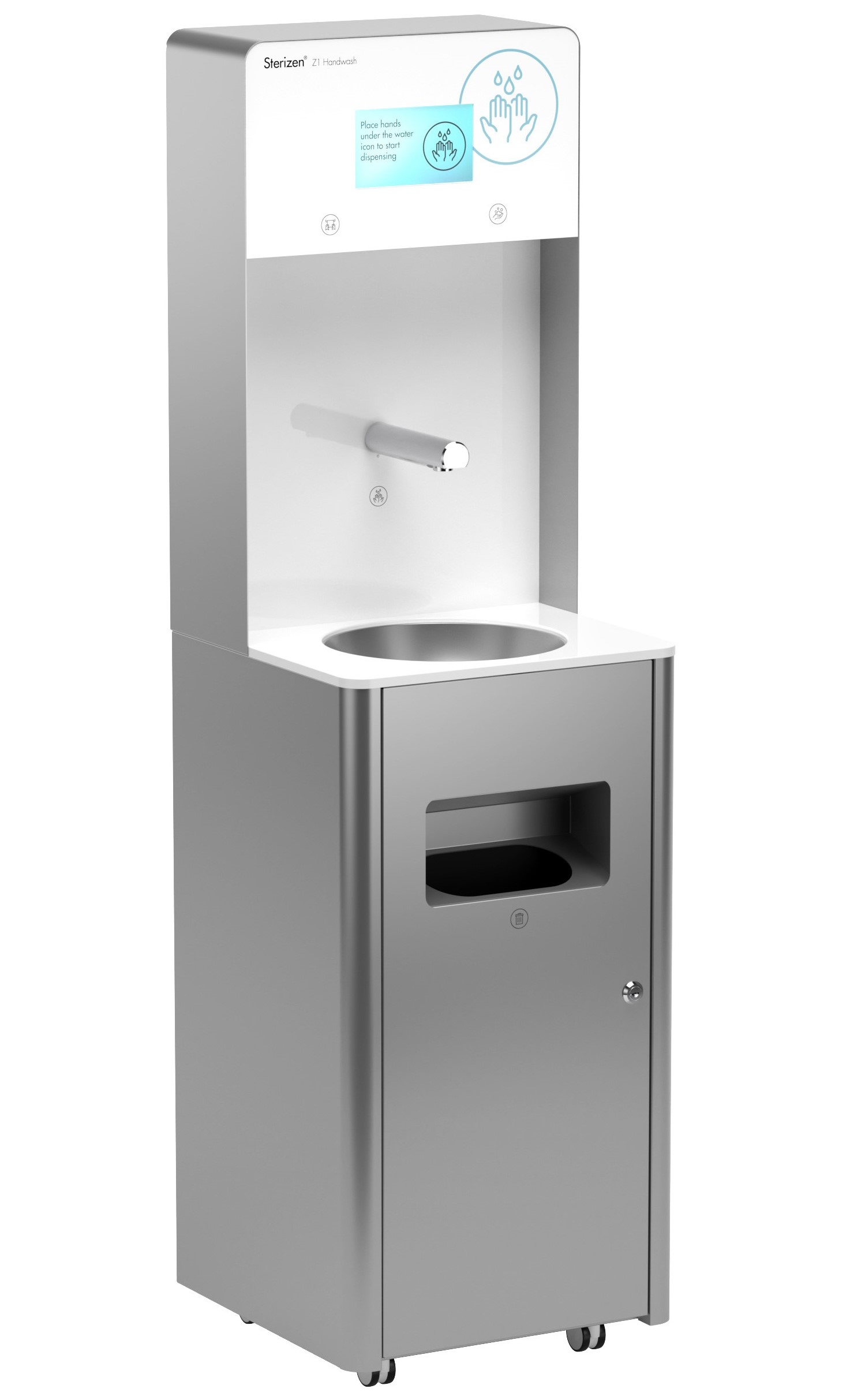
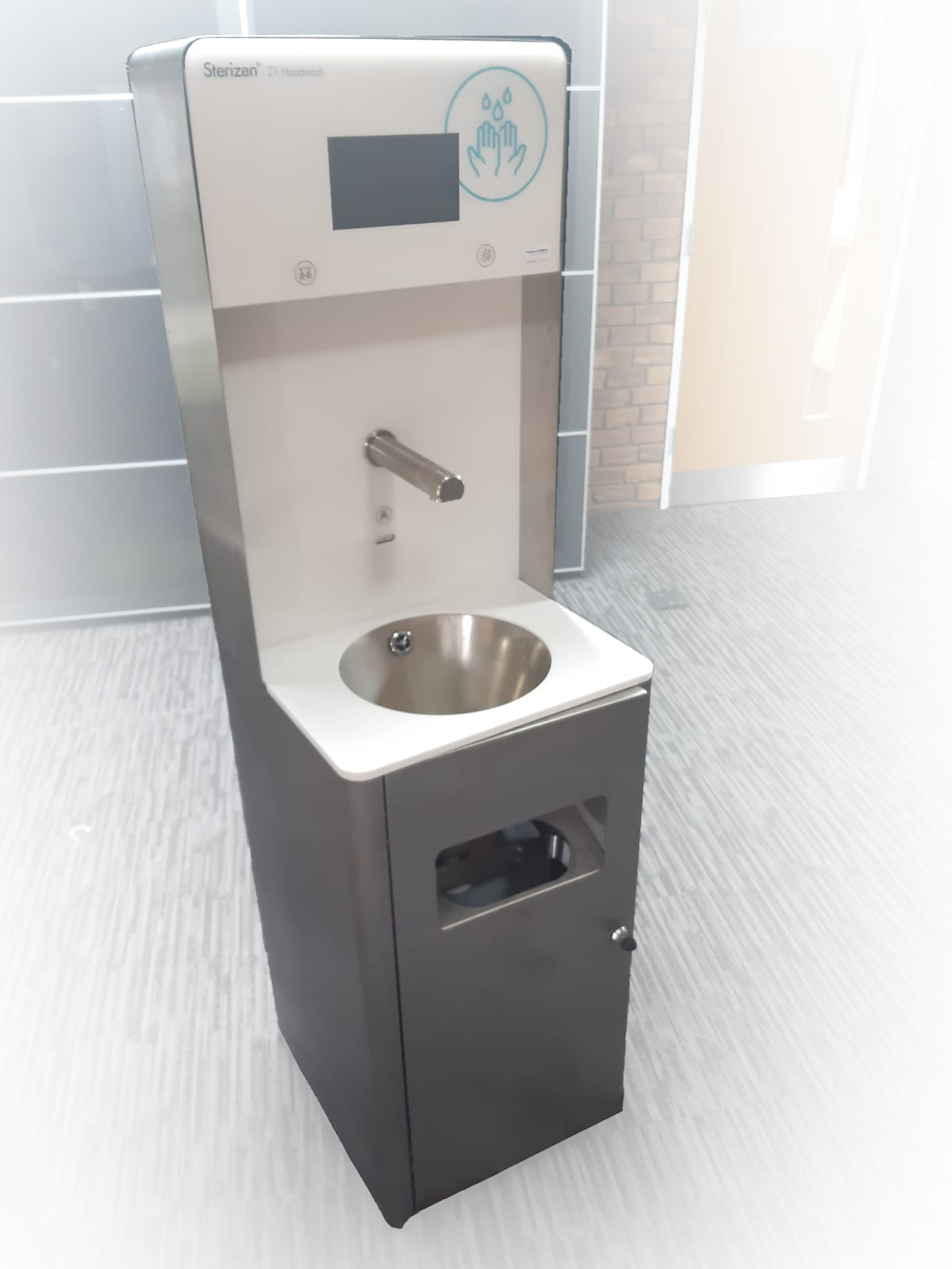
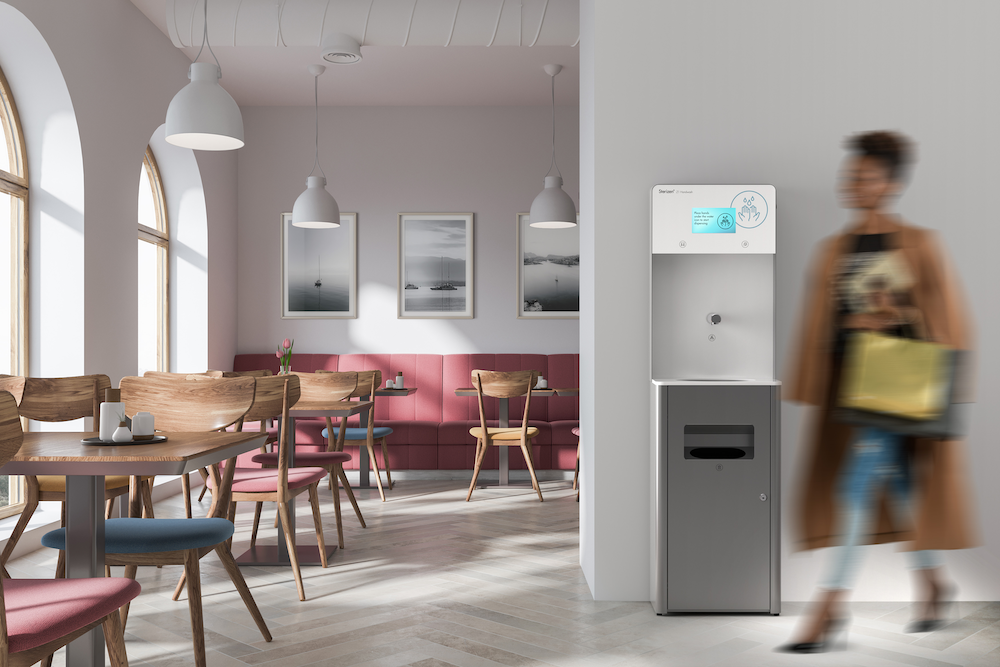
Our team fully redesigned a handwash station - originally developed in response to the pandemic - to improve cost-efficiency, quality, and manufacturability. This project involved resolving existing design issues, incorporating user feedback, and upgrading key components, including a programmable screen, an advanced tap sensor, and a redesigned soap dispenser. We strengthened the structure to prevent long-term deformation and improve mobility. Additionally, we created custom solutions such as a handle and caster system for easier manoeuvering. The outcome was a refined product, optimised for production and built to meet market demand more effectively.
Methodology
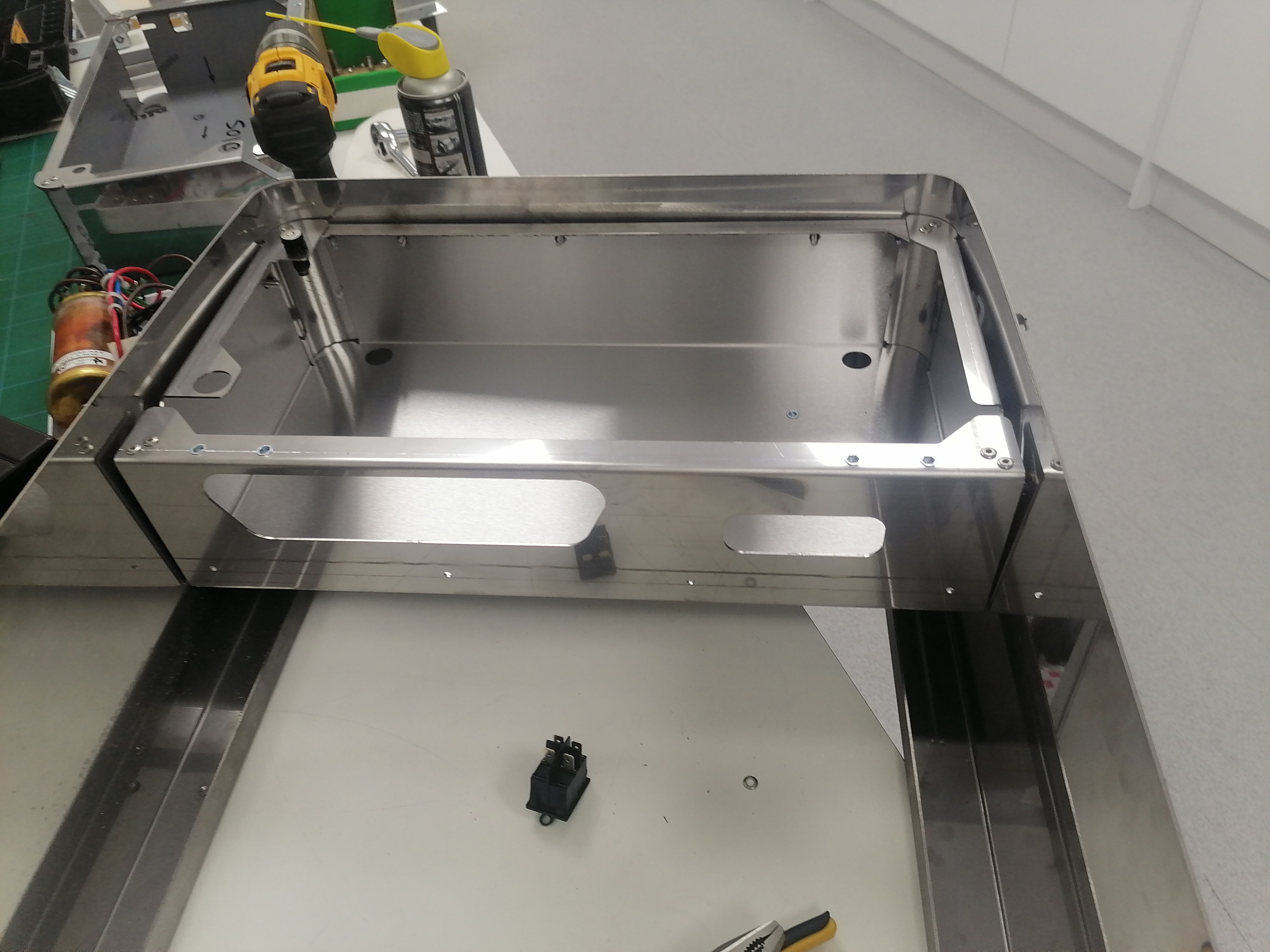
We based the redesign of the handwash station on field trial feedback and the need for a more scalable, cost-efficient solution. Our team integrated new components, including a programmable screen for handwashing instructions and advertising. To improve reliability and usability, we adjusted the tap’s IR sensor to prevent false triggers, introduced a new embedded-technology tap, and designed a custom soap dispenser. Structural upgrades included stronger sheet metal to reduce stress and deformation, along with casters and a redesigned handle that made the station easier to move, even with full water containers. We ensured seamless coordination between the electrical and mechanical systems, allowing all new features to function as one complete unit.
Results Discussion
Our upgraded handwash station addressed the initial prototype’s shortcomings through upgraded technology, structural enhancements, and manufacturability improvements. The programmable screen added dual functionality: educating users on hand hygiene while also serving as an advertising platform. Reconfiguring the tap with embedded IR sensors reduced false activations, and the new custom soap dispenser improved user convenience and production efficiency. Structural improvements, including casters and a redesigned handle, made the unit easier to move, even when filled with heavy water containers. Reinforced sheet metal eliminated long-term warping, and ensured the electronic housing stayed durable and fully operable over time.
Our team fully redesigned a handwash station - originally developed in response to the pandemic - to improve cost-efficiency, quality, and manufacturability. This project involved resolving existing design issues, incorporating user feedback, and upgrading key components, including a programmable screen, an advanced tap sensor, and a redesigned soap dispenser. We strengthened the structure to prevent long-term deformation and improve mobility. Additionally, we created custom solutions such as a handle and caster system for easier manoeuvering. The outcome was a refined product, optimised for production and built to meet market demand more effectively.
Methodology
We based the redesign of the handwash station on field trial feedback and the need for a more scalable, cost-efficient solution. Our team integrated new components, including a programmable screen for handwashing instructions and advertising. To improve reliability and usability, we adjusted the tap’s IR sensor to prevent false triggers, introduced a new embedded-technology tap, and designed a custom soap dispenser. Structural upgrades included stronger sheet metal to reduce stress and deformation, along with casters and a redesigned handle that made the station easier to move, even with full water containers. We ensured seamless coordination between the electrical and mechanical systems, allowing all new features to function as one complete unit.
Results Discussion
Our upgraded handwash station addressed the initial prototype’s shortcomings through upgraded technology, structural enhancements, and manufacturability improvements. The programmable screen added dual functionality: educating users on hand hygiene while also serving as an advertising platform. Reconfiguring the tap with embedded IR sensors reduced false activations, and the new custom soap dispenser improved user convenience and production efficiency. Structural improvements, including casters and a redesigned handle, made the unit easier to move, even when filled with heavy water containers. Reinforced sheet metal eliminated long-term warping, and ensured the electronic housing stayed durable and fully operable over time.
Bill of Materials (BOM) Creation
Standard Operating Procedure (SOP) Development
Engineering Drawings and Testing
Product Redesign for Cost Efficiency and Manufacturability
Technology Integration
Mobility and Structural Enhancements
Standard Operating Procedure (SOP) Development
Engineering Drawings and Testing
Product Redesign for Cost Efficiency and Manufacturability
Technology Integration
Mobility and Structural Enhancements
"Leading the transformative redesign of a handwash station, we combined user insights with advanced technology to create a more efficient, durable, and high-quality solution, enhancing the overall hygiene experience."