Simulation and thermodynamics
CFD Chiller Venting Performance Development
Overview
In this project, we improved the venting system of a client’s chiller core that used a four-stage vapour compression cycle to cool water. The original design struggled to reject heat efficiently, causing the compressor to run longer, generate more noise, and waste energy. To address these issues, we carried out a Computational Fluid Dynamics (CFD) study to analyse airflow inside the unit and pinpoint the main restrictions. Based on the findings, we designed a new vent that improved airflow, balanced velocity, and isolated hot air from the cooling coils. With the new design, we achieved shorter compressor runtime, reduced noise, and increased efficiency.
Methodology
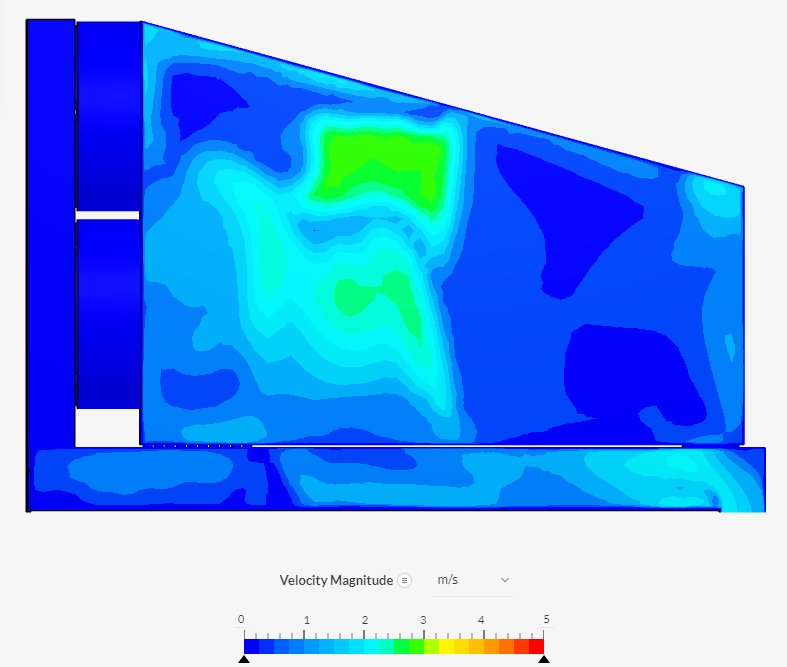
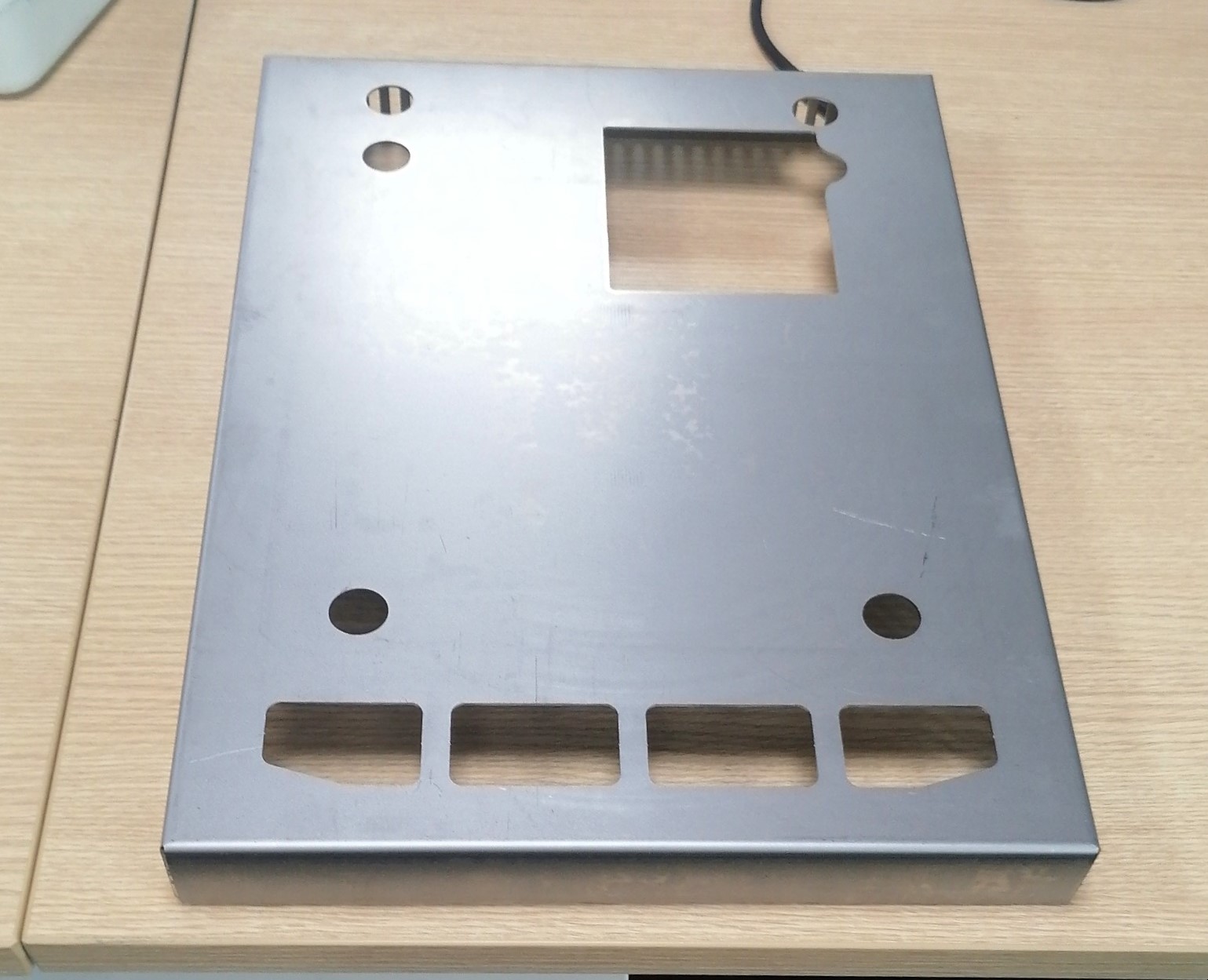
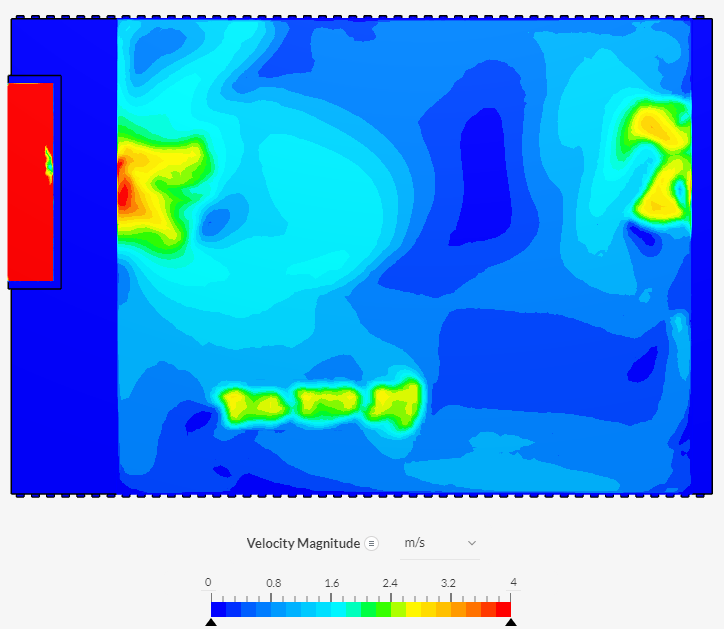
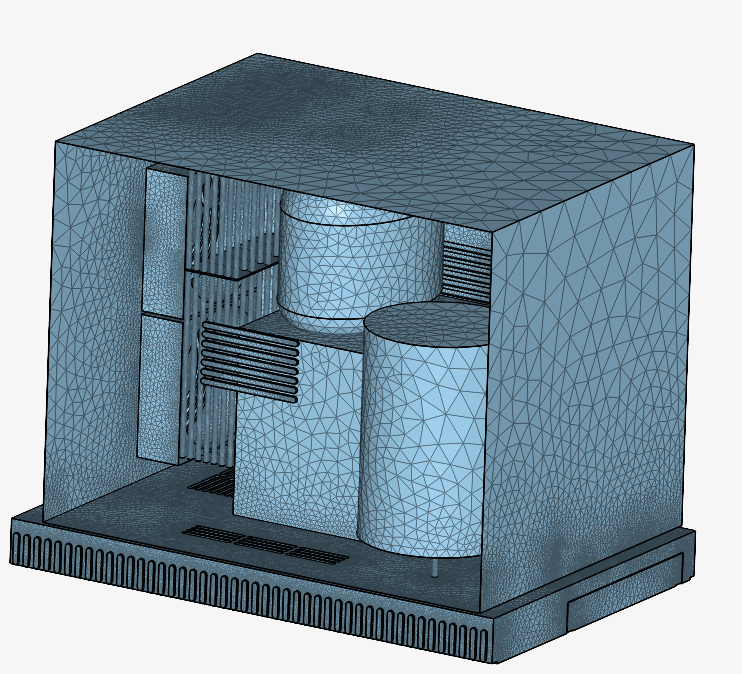
We started by analysing the existing venting system and pinpointing its main issues: restricted airflow and inefficient heat rejection. We carried out hand calculations with fan flow rates and cross-sectional areas, helping us estimate velocity changes and spot potential stagnation points. Next, we created a CFD model and refined the mesh through multiple iterations to ensure accurate results. The simulation revealed key airflow issues, including hot air being pulled through cooling coils and constriction-induced velocity spikes. To address this, we designed a new vent with optimised sheet metal geometry that redirected hot air away from critical cooling areas and improved overall airflow and system efficiency.
Results Discussion
The CFD study highlighted significant inefficiencies in the original venting system, such as heated air from the hot tank being drawn through the cooling coils. This disrupted the cooling process and forced the compressor to run longer. To address these issues, we designed a new vent that created a stagnant air pocket around the hot tank and maintained a steady airflow velocity. Further CFD simulations and validation tests with the updated geometry confirmed the effectiveness of our redesign and showed a clear reduction in compressor runtime. The redesigned venting system not only improved overall efficiency but also reduced noise and increased the cooling capacity of the chiller unit.
In this project, we improved the venting system of a client’s chiller core that used a four-stage vapour compression cycle to cool water. The original design struggled to reject heat efficiently, causing the compressor to run longer, generate more noise, and waste energy. To address these issues, we carried out a Computational Fluid Dynamics (CFD) study to analyse airflow inside the unit and pinpoint the main restrictions. Based on the findings, we designed a new vent that improved airflow, balanced velocity, and isolated hot air from the cooling coils. With the new design, we achieved shorter compressor runtime, reduced noise, and increased efficiency.
Methodology
We started by analysing the existing venting system and pinpointing its main issues: restricted airflow and inefficient heat rejection. We carried out hand calculations with fan flow rates and cross-sectional areas, helping us estimate velocity changes and spot potential stagnation points. Next, we created a CFD model and refined the mesh through multiple iterations to ensure accurate results. The simulation revealed key airflow issues, including hot air being pulled through cooling coils and constriction-induced velocity spikes. To address this, we designed a new vent with optimised sheet metal geometry that redirected hot air away from critical cooling areas and improved overall airflow and system efficiency.
Results Discussion
The CFD study highlighted significant inefficiencies in the original venting system, such as heated air from the hot tank being drawn through the cooling coils. This disrupted the cooling process and forced the compressor to run longer. To address these issues, we designed a new vent that created a stagnant air pocket around the hot tank and maintained a steady airflow velocity. Further CFD simulations and validation tests with the updated geometry confirmed the effectiveness of our redesign and showed a clear reduction in compressor runtime. The redesigned venting system not only improved overall efficiency but also reduced noise and increased the cooling capacity of the chiller unit.
Computational Fluid Dynamics (CFD) Simulations
Preliminary Hand Calculations
Simulation Control and Mesh Optimization
Venting System Redesign (Sheet Metal Geometry)
Report Writing and Documentation
Validation Testing and Performance Analysis
Preliminary Hand Calculations
Simulation Control and Mesh Optimization
Venting System Redesign (Sheet Metal Geometry)
Report Writing and Documentation
Validation Testing and Performance Analysis
"CFD-driven redesign resolved airflow restrictions, boosting performance, cutting noise, and improving efficiency."