Structures & marine engineering
Torque Monitoring System for Turbine Performance Rig
Overview
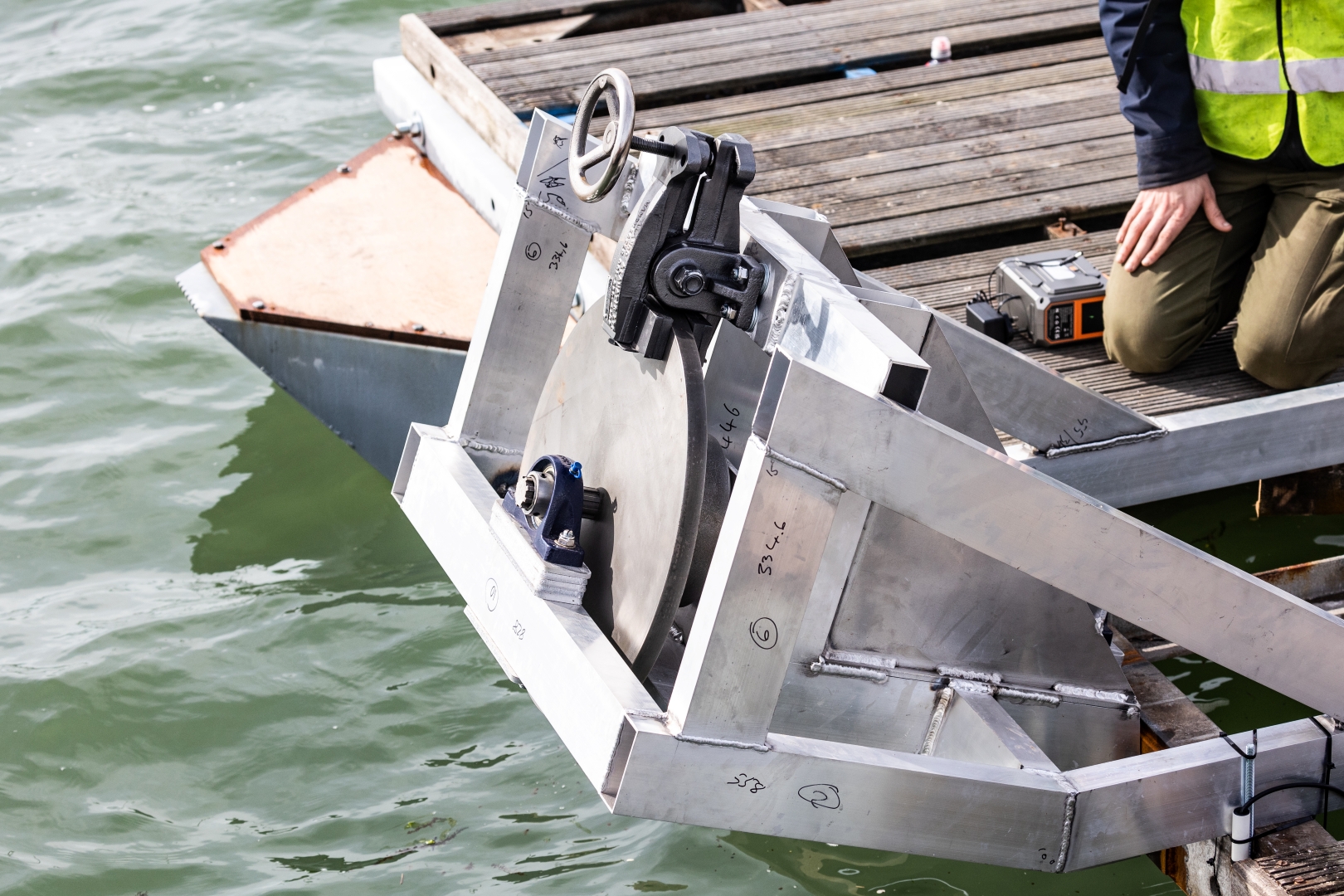
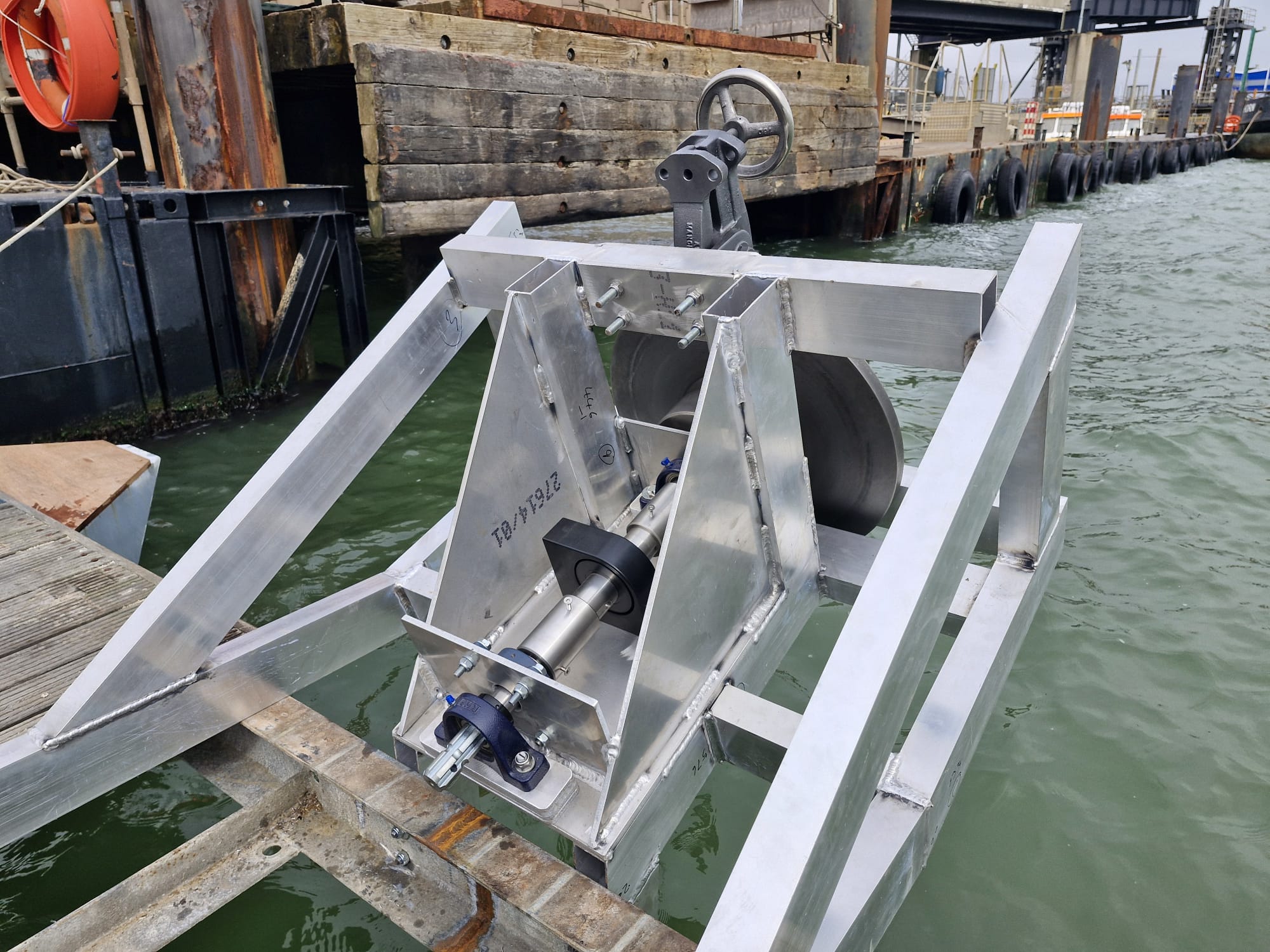
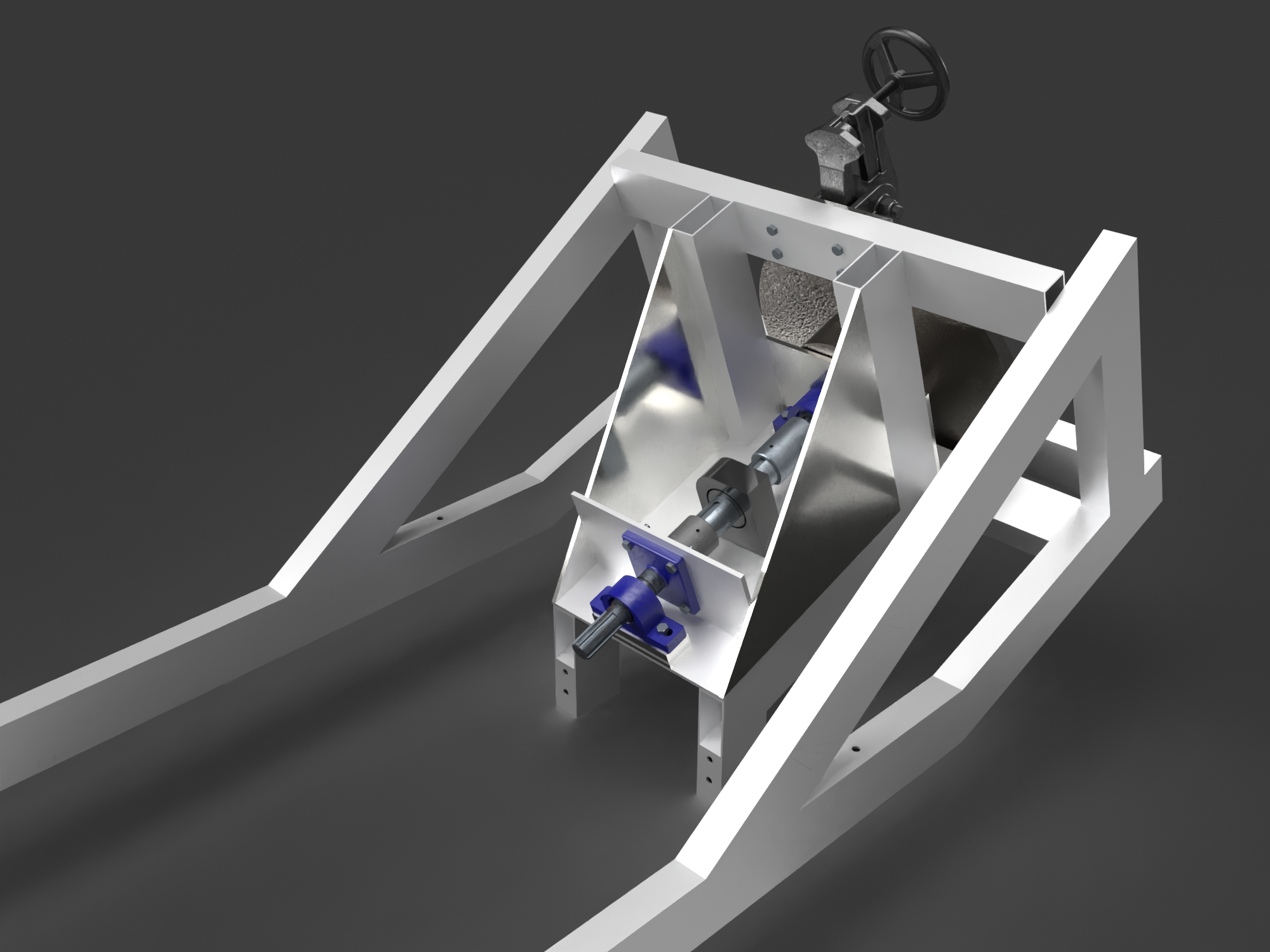
We engineered a torque monitoring system for a turbine operating in water. With no existing method available, we explored two possible approaches: a modern torque transducer or a dynamometer. After evaluating both, we chose the transducer for its affordability, compact size, and low power requirements. The final system combined an agricultural PTO, stock bearings, and custom-machined components to measure torque accurately under load. It delivered reliable, fully mechanical performance without the need for electronic control.
Methodology
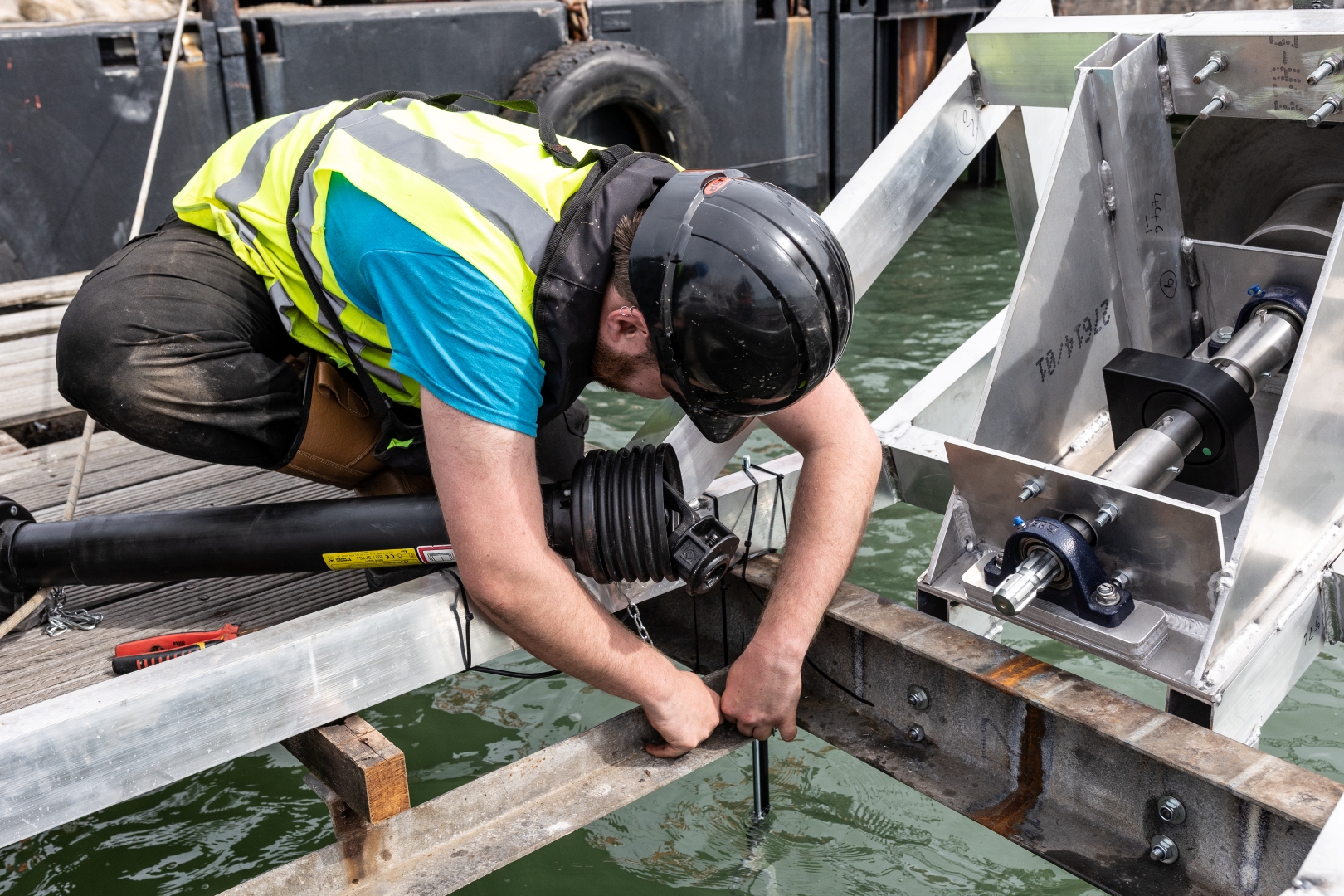
The project began with detailed research and consultations with external torque measurement specialists. Our team compared the transducer and dynamometer methods, evaluating precision, power requirements, and cost. After selecting the transducer approach, we designed and machined bespoke components to integrate the system. When machining issues arose, we carried out on-site adjustments at a local machine shop to maintain alignment, meet deadlines, and uphold quality standards.
Results Discussion
Our team delivered a fully functional torque monitoring rig that performed reliably under load with no failures. Precision engineering and proactive problem-solving allowed the system to meet all requirements. Key takeaways included the value of early research, collaboration with external experts, and adaptability during manufacture and assembly. The project demonstrated how careful design and on-site intervention lead to reliable, high-performing mechanical systems.
We engineered a torque monitoring system for a turbine operating in water. With no existing method available, we explored two possible approaches: a modern torque transducer or a dynamometer. After evaluating both, we chose the transducer for its affordability, compact size, and low power requirements. The final system combined an agricultural PTO, stock bearings, and custom-machined components to measure torque accurately under load. It delivered reliable, fully mechanical performance without the need for electronic control.
Methodology
The project began with detailed research and consultations with external torque measurement specialists. Our team compared the transducer and dynamometer methods, evaluating precision, power requirements, and cost. After selecting the transducer approach, we designed and machined bespoke components to integrate the system. When machining issues arose, we carried out on-site adjustments at a local machine shop to maintain alignment, meet deadlines, and uphold quality standards.
Results Discussion
Our team delivered a fully functional torque monitoring rig that performed reliably under load with no failures. Precision engineering and proactive problem-solving allowed the system to meet all requirements. Key takeaways included the value of early research, collaboration with external experts, and adaptability during manufacture and assembly. The project demonstrated how careful design and on-site intervention lead to reliable, high-performing mechanical systems.
Research and development of torque measurement solutions
Consultation with external experts
Design and integration of torque transducer systems
Custom machining of components
On-site quality control and modifications
Hand calculations for loading forces and specifications
Consultation with external experts
Design and integration of torque transducer systems
Custom machining of components
On-site quality control and modifications
Hand calculations for loading forces and specifications
“This project demonstrated how research, practical design, and precise engineering can combine to deliver reliable and effective solutions for complex mechanical challenges.”